Electric Vehicle Adoption in India: Key Considerations for Prospective Buyers
Electric vehicles are steadily transitioning into the mainstream automotive market across India. With an expanding array of models available for purchase, enhanced driving ranges, and a rapidly developing charging network, EVs have evolved into a practical and viable choice for numerous consumers. Nevertheless, purchasing an electric car remains distinct from selecting a conventional petrol or diesel vehicle. Conducting several essential checks can significantly influence the ownership experience before making the switch to electric mobility.
Assessing Daily Usage Patterns
The primary factor to evaluate is your daily driving routine. Electric vehicles excel in predictable scenarios such as office commutes or regular urban driving. If your typical daily travel distance falls within the 50–70 kilometer range, most contemporary electric cars can manage this comfortably without requiring frequent recharging. However, if your usage regularly involves extended highway journeys, advanced planning becomes necessary. Long-distance EV travel throughout India still entails mapping out charging stations and allocating approximately 30–45 minutes at fast-charging points to replenish the battery.
Understanding Real-World Range
Range is another critical element that demands careful attention. While manufacturers provide ARAI-certified range figures, actual performance can vary considerably based on driving conditions, traffic congestion, and auxiliary systems like air conditioning. Most prospective buyers today seek a practical range of approximately 350–450 kilometers for enhanced peace of mind. Weather conditions also play a substantial role. Elevated temperatures, common in metropolitan areas like Chennai or Delhi, can gradually affect battery efficiency and overall performance over time.

Evaluating Charging Infrastructure
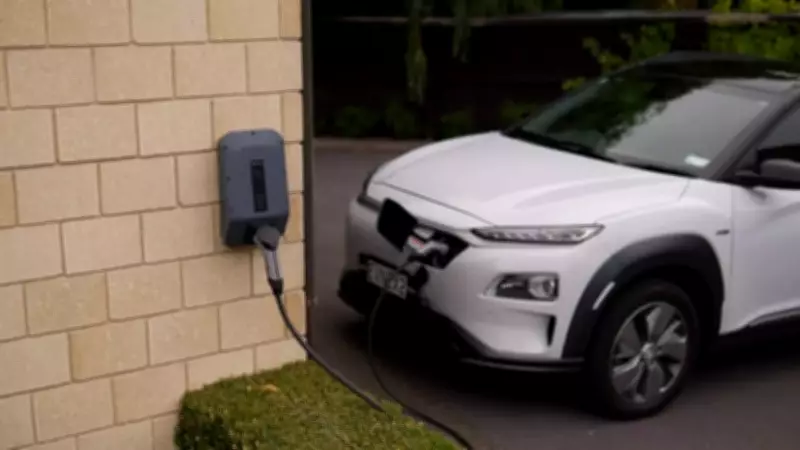
Charging represents perhaps the most crucial aspect to verify before acquiring an electric vehicle. For the majority of users, home charging remains the most convenient and economically efficient option. Typically, owners connect their cars overnight and commence the following day with a fully charged battery. If you reside in an apartment complex, it is imperative to confirm whether your housing society permits charger installation, as this can occasionally present a more significant challenge than the vehicle purchase itself.
Analyzing Running Costs
Operating expenses constitute one of the most substantial advantages of electric vehicles, though they depend heavily on charging methods. Home charging typically costs between Rs 6 and Rs 10 per unit, whereas public fast chargers can range from Rs 12 to Rs 25 per unit. This implies that public charging can be two to three times more expensive than domestic charging. Despite this disparity, EVs continue to offer lower running costs, with expenses as minimal as Rs 0.5 to Rs 1.5 per kilometer compared to Rs 6 to Rs 8 per kilometer for petrol-powered cars.
Considering Purchase Price and Long-Term Savings
Price is another domain where electric vehicles still diverge from traditional automobiles. In numerous instances, electric cars command a premium of approximately 20–35 percent upfront. However, they compensate through reduced running and maintenance expenditures over the vehicle's lifespan. For users who drive more than 12,000–15,000 kilometers annually, the cumulative savings can render electric vehicles a financially prudent choice in the long term.
In summary, as electric vehicles progressively integrate into India's automotive landscape, prospective buyers must meticulously evaluate their daily usage, comprehend real-world range expectations, assess charging accessibility, and calculate both immediate and long-term financial implications. These considerations will facilitate a smoother transition to electric mobility and optimize the overall ownership experience.