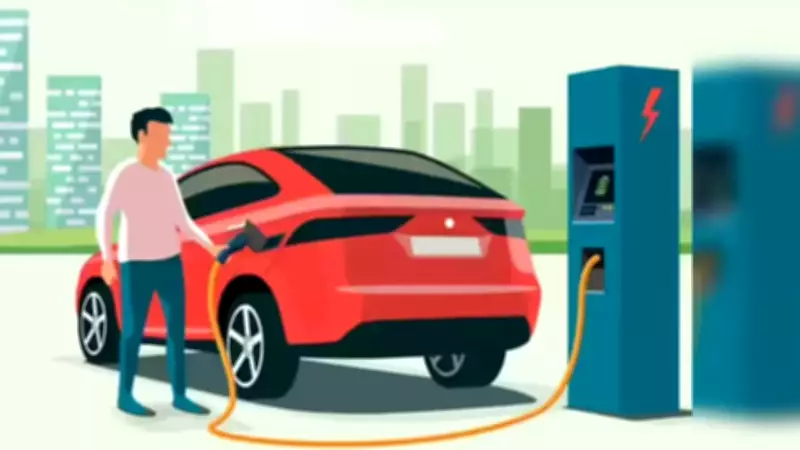
Mastering Electric Vehicle Battery Care for Optimal Longevity
The battery serves as the fundamental core of any electric vehicle, with its usage and maintenance practices critically determining long-term operational performance. As increasing numbers of drivers transition toward electric mobility, proper battery stewardship has emerged as a vital component of responsible EV ownership.
Strategic Charging Practices for Battery Preservation
One of the most significant considerations for electric vehicle owners involves avoiding the habitual practice of charging to complete capacity. While contemporary electric vehicles incorporate sophisticated battery management systems designed to prevent extreme charging and discharging cycles, consistently maintaining batteries at full charge can potentially compromise their extended health profile.
Automotive specialists universally recommend maintaining battery charge within moderate parameters rather than perpetually pursuing maximum capacity. This measured approach demonstrably enhances overall battery lifespan and sustains performance metrics across years of operation.

Understanding Charging Method Implications
Charging methodologies substantially influence battery integrity. Fast charging solutions provide undeniable convenience during time-sensitive situations, particularly during extended journeys, but excessive reliance on rapid charging infrastructure imposes additional stress on battery components.
The accelerated charging process generates elevated thermal conditions that may gradually affect battery health. For routine daily utilization, conventional or slower charging alternatives are generally regarded as superior for preserving battery structural integrity and functional capacity.
Storage Considerations for Infrequently Used Vehicles
Electric vehicle owners with irregular usage patterns must exercise particular diligence regarding battery maintenance during storage periods. Maintaining batteries at either complete charge or total depletion for prolonged durations frequently accelerates degradation processes.
A pragmatic strategy involves sustaining charge levels within an intermediate range, typically between twenty-five and seventy-five percent capacity, to safeguard battery condition. For extended parking scenarios, maintaining approximate fifty percent charge represents the most frequently endorsed practice among industry experts.
Environmental Temperature Management
Ambient temperature conditions profoundly affect battery performance characteristics. Both excessively hot and severely cold environments can diminish operational efficiency and influence long-term durability.
Parking vehicles in shaded or covered locations during warm weather conditions helps mitigate thermal exposure, while avoiding extreme cold environments whenever feasible provides additional protective benefits for battery systems.
Software Maintenance and Monitoring Protocols
Regular software updates constitute another straightforward yet crucial maintenance component. Manufacturers routinely distribute updates that enhance battery management algorithms and overall system efficiency. Implementing these software improvements ensures the vehicle's operational systems function according to their optimal design parameters.
Most contemporary electric vehicles incorporate diagnostic tools or companion mobile applications that enable owners to monitor battery health metrics. Consistent review of these indicators facilitates early detection of potential concerns and helps guarantee continued reliable battery performance throughout the vehicle's service life.