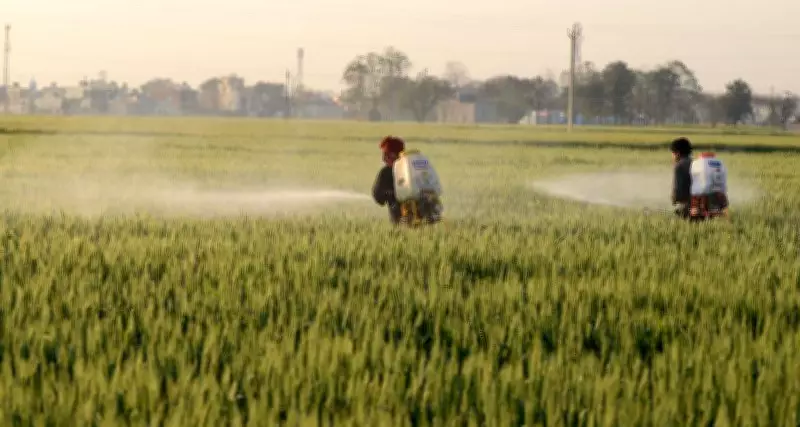
Heat Stress Advisory Issued for Wheat Growers in Jalandhar
Agricultural authorities in the Jalandhar region of Punjab have issued a critical heat stress advisory for wheat growers, alerting them to the potential risks posed by rising temperatures to their crops. This advisory comes as a proactive measure to help farmers safeguard their wheat harvests during a period of climatic uncertainty.
Rising Temperatures Threaten Wheat Crops
The advisory highlights that increasing heat levels can lead to significant stress on wheat plants, potentially resulting in reduced grain quality and yield. Wheat, being a temperature-sensitive crop, is particularly vulnerable during its growth stages, and excessive heat can accelerate ripening, leading to premature maturation and lower productivity.
Farmers are being urged to monitor weather forecasts closely and implement timely interventions to mitigate the effects of heat stress. This includes adjusting irrigation schedules to ensure adequate soil moisture, which can help cool the plants and reduce thermal damage.

Recommended Measures for Farmers
To combat the adverse effects of heat stress, agricultural experts have recommended several strategies:
- Increase Irrigation Frequency: Maintaining optimal soil moisture through more frequent watering can help lower plant temperature and prevent heat-induced damage.
- Use Mulching Techniques: Applying organic mulch around the base of plants can conserve soil moisture and reduce evaporation, thereby protecting the roots from heat stress.
- Monitor Crop Health: Regular inspection of wheat fields for signs of stress, such as wilting or discoloration, is crucial for early detection and management.
- Consider Shade Nets: In areas with extreme heat, using shade nets or other protective coverings can provide temporary relief from intense sunlight.
Additionally, farmers are advised to avoid excessive use of nitrogen fertilizers during this period, as they can exacerbate heat stress by promoting rapid growth that makes plants more susceptible to temperature fluctuations.
Impact on Wheat Production in Punjab
Punjab is a major wheat-producing state in India, and the Jalandhar region plays a significant role in contributing to the national food supply. Any disruption in wheat production due to heat stress could have broader implications for food security and agricultural economics in the area.
The advisory underscores the importance of climate-resilient farming practices, especially in the face of changing weather patterns. By adopting these measures, farmers can not only protect their current crops but also build long-term sustainability for future harvests.
Local agricultural departments are offering support and guidance to farmers, including workshops and on-field demonstrations to educate them on effective heat stress management techniques. This collaborative effort aims to minimize losses and ensure a stable wheat output for the season.
In conclusion, the heat stress advisory serves as a timely reminder for wheat growers in Jalandhar to stay vigilant and proactive. With proper care and adherence to recommended practices, farmers can mitigate the risks associated with rising temperatures and secure a healthy harvest.