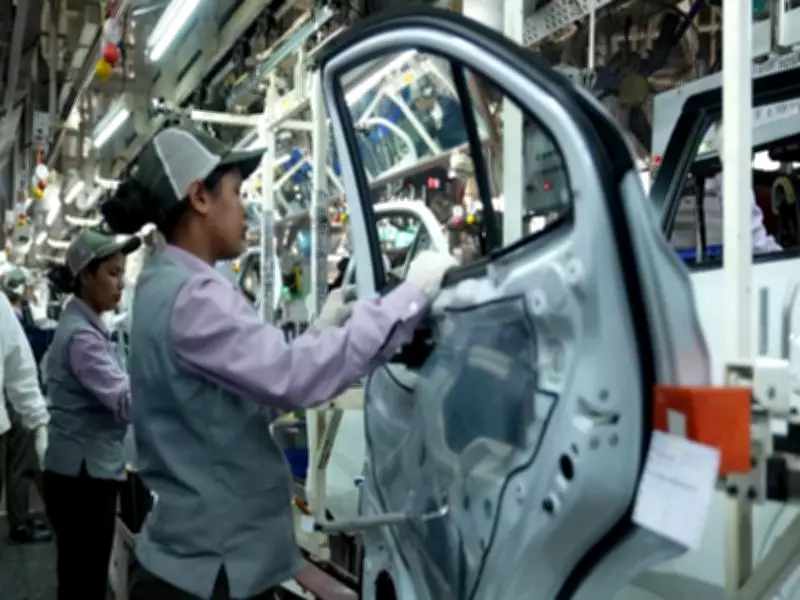
India's auto component industry recorded a robust 12.7% growth in FY26, driven by a 16.3% increase in supplies to original equipment manufacturers (OEMs) amid strong vehicle production across passenger vehicles, commercial vehicles and two-wheelers, according to a report by the Automotive Component Manufacturers Association of India (ACMA). However, imports grew faster than exports, widening the trade deficit to USD 1.37 billion.
Aftermarket segment expands 9%
The aftermarket segment expanded 9% during the fiscal year, supported by a growing vehicle base and market formalisation. The ACMA report attributed this growth to rising demand for used vehicles, a shift towards larger and more powerful vehicles, and increasing formalisation of the repair and maintenance market.
Exports rise 5%, imports up 13%
India's auto component exports increased 5% in FY26, led by higher shipments to Europe, driven by expectations of a favourable free trade agreement (FTA) and increased procurement by European OEMs. Engine components, drive transmission and steering systems accounted for over half of exports. In contrast, imports rose around 13%, surpassing exports, with supplies from China, Japan and Germany dominating. Drive transmission and steering systems and engine components contributed 56% of total imports.

The trade deficit stood at USD 1.37 billion for the fiscal year. Supplies to the electric vehicle (EV) segment accounted for 4.6% of OEM sales.
Growth drivers and challenges
The report highlighted several tailwinds for the sector, including the government's focus on carbon neutrality, expansion of FTAs opening new markets, infrastructure development, rising domestic vehicle demand, stable export prospects, increased investments, capacity expansion and the entry of new players in the mobility space.
However, the sector faces headwinds from geopolitical uncertainties such as the Russia-Ukraine conflict, West Asia tensions, US tariffs and Chinese trade restrictions. Other challenges include limited availability of rare earth magnets, raw material price volatility, higher insurance and freight costs, and labour shortages, according to ACMA.