India Launches Commercial LPG Cylinder Distribution Amid Geopolitical Supply Pressures
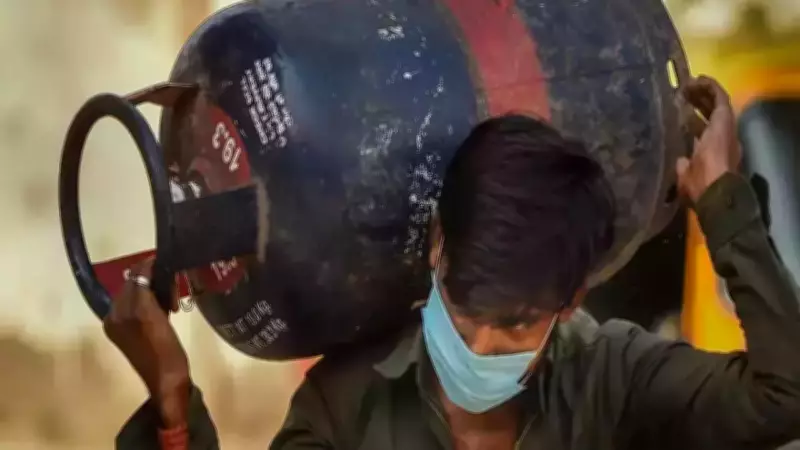
The distribution of commercial liquefied petroleum gas (LPG) cylinders has commenced across 29 states and Union Territories, while enforcement agencies have significantly escalated nationwide raids and surprise inspections. This coordinated effort aims to combat hoarding and black-marketing activities, responding to mounting pressure on cooking gas supplies due to geopolitical disruptions in the Middle East.
Government Assures Adequate Domestic Supply Despite Panic Booking
Sujata Sharma, Joint Secretary in the Ministry of Petroleum and Natural Gas, confirmed on Saturday that panic booking of LPG refills continues to rise sharply, despite sufficient stocks being available to meet household demand. "There are no dry-out reports from any retail outlets. Our refineries are operating at full capacity, and sufficient petrol and diesel are available," Sharma stated emphatically.
She further explained that India produces adequate petrol and diesel domestically based on requirements and does not currently need to import these fuels. The government is prioritizing domestic LPG consumers while closely monitoring the evolving geopolitical situation that has disrupted energy supplies from Gulf countries.

Geopolitical Disruptions and India's Energy Dependence
India's energy security faces significant challenges due to its import dependence. The country imports approximately 88 percent of its crude oil, about 50 percent of its natural gas, and around 60 percent of its LPG requirements. Before the recent escalation of conflict involving US, Israeli, and Iranian military actions, more than half of India's crude oil needs were met from the Middle East, along with about 30 percent of gas supplies and 85-90 percent of LPG.
The disruption has effectively blocked the Strait of Hormuz, the primary sea route for energy shipments from the region. While India has sourced additional crude from alternative suppliers including Russia, gas supply disruptions have resulted in cuts for industrial and commercial users such as hotels and restaurants.
Surge in Panic Booking and Government Response
Refill bookings have surged dramatically due to panic buying. "Yesterday, the number of bookings was about 75 lakh, and it has now increased to around 88 lakh. This is nothing but panic booking," Sharma revealed, urging consumers to book cylinders only when genuinely needed.
Before the conflict, daily LPG bookings averaged around 55 lakh, with oil marketing companies delivering approximately 50 lakh cylinders each day. While deliveries have remained consistent, bookings have risen significantly. Sharma clarified that booking restrictions are linked to delivery gaps: "In urban areas, there is a minimum gap of 25 days between the last delivery and the next booking, while in rural areas the gap is 45 days. If consumers try to book before this window, the booking will not take place."
Enhanced Production and Alternative Fuel Options
To ease supply pressure, the government has substantially increased domestic LPG output. "The first day we informed you about a 10 percent increase in domestic production, then 25 percent, then 28 percent, and today the increase has reached 31 percent," Sharma announced.
State-run GAIL has met with city gas distribution operators, advising them to provide piped natural gas (PNG) connections to commercial consumers facing LPG shortages. Consumers able to shift from LPG to PNG are being actively encouraged to make the transition.
Commercial LPG cylinders have been placed at the disposal of state governments to prioritize distribution among consumers, with supplies already initiated in 29 states and Union Territories.
Regulatory Adjustments and Enforcement Measures
As part of comprehensive supply management measures, the Commission for Air Quality Management has permitted industries and establishments in the National Capital Region to temporarily use biomass and RDF pellets instead of natural gas and LPG for one month. Sharma confirmed that domestic PNG supply and CNG allocation for vehicles will continue at 100 percent with no cuts.

State governments and district administrations have been instructed to closely monitor distribution, with review meetings already conducted in Haryana, Goa, Telangana, and Andhra Pradesh. Enforcement efforts have been intensified nationwide.
Nationwide Raids and Legal Actions
Authorities in Maharashtra and Rajasthan have conducted joint inspections, while surprise checks were carried out at approximately 1,400 locations in Uttar Pradesh. "As many as 20 FIRs have been registered in Uttar Pradesh, and prosecution has been launched against 19 people," Sharma reported, adding that raids have also occurred in Andhra Pradesh, Bihar, Odisha, and Karnataka.
Oil marketing companies have activated inspection teams, conducting around 1,300 surprise checks at LPG distributorships and retail outlets in a single day. The government has directed companies to promote digital booking of refills and spread awareness to prevent panic buying.
Digital Solutions and Consumer Guidance
Consumers have been urged to utilize SMS, WhatsApp, and mobile applications of oil marketing firms for bookings instead of visiting distributors physically. "There is no need to stand in queues at distributorships for booking or cylinder delivery. OMCs deliver cylinders to consumers' homes and will continue to do so," Sharma emphasized.
She concluded with reassurance: "The situation is a matter of concern for all of us, but we are ensuring that household consumers do not face inconvenience. There is no cause of panic. We urge consumers to rely only on information provided through official channels and avoid unnecessary panic."