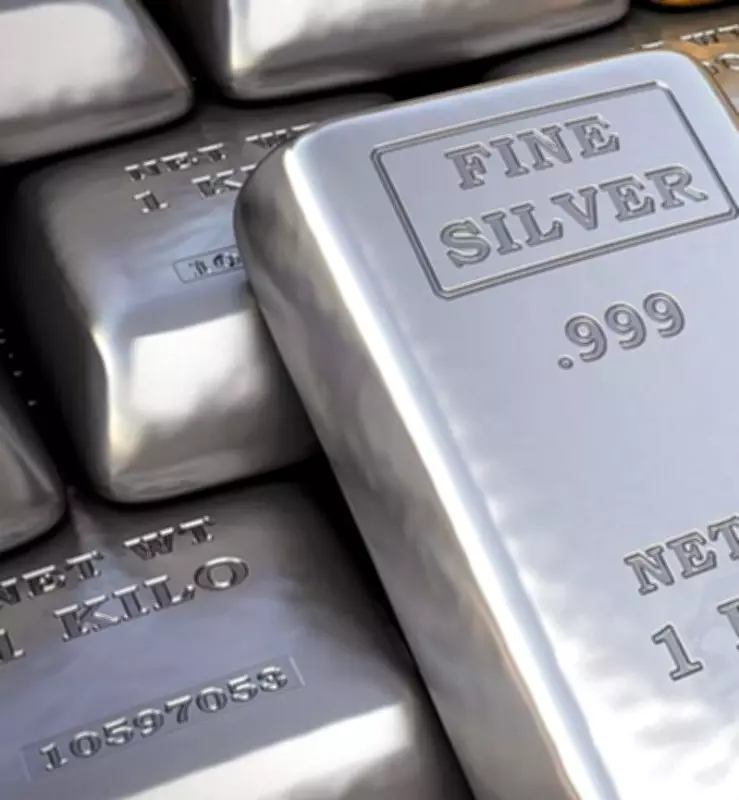
The Indian government has announced new import restrictions on silver, effective immediately, in a move aimed at bolstering the domestic silver industry and reducing reliance on foreign supplies. The decision, notified by the Directorate General of Foreign Trade (DGFT), brings silver under the restricted category, meaning importers will now require a license to bring the precious metal into the country.
Details of the Import Curbs
Under the new policy, imports of silver, including silver bullion, bars, and scrap, will be subject to licensing requirements. This marks a significant shift from the previous open general license regime, where imports were freely allowed. The move is expected to curb cheap imports, particularly from countries like China and Hong Kong, which have been flooding the Indian market.
Impact on Domestic Industry
The government believes that these restrictions will provide a level playing field for domestic silver producers, including small-scale miners and refiners. India is one of the largest consumers of silver, but its domestic production is limited. The curbs are likely to boost local refining and manufacturing, creating jobs and reducing the trade deficit in precious metals.

Industry experts have welcomed the decision, stating that it will help stabilize silver prices and encourage value addition within the country. However, some jewelers and importers have expressed concerns about potential supply disruptions and price hikes in the short term.
Background and Rationale
The move comes amid a broader government push for self-reliance in key sectors. Silver imports have been rising steadily, with India importing over 7,000 tonnes in the last fiscal year. The government aims to reduce this dependence and promote domestic production through initiatives like the Production-Linked Incentive (PLI) scheme for metals.
Global Context
Silver prices have been volatile globally due to geopolitical tensions and industrial demand. The restrictions may also impact international silver markets, as India is a major importer. Analysts predict that the move could lead to a temporary spike in global silver inventories and a shift in trade flows toward other Asian markets.
The government has assured that the licensing process will be streamlined to ensure adequate supply for genuine industrial users. Applications for import licenses will be processed on a first-come, first-served basis, with priority given to exporters and manufacturers.
Overall, the import curbs on silver are seen as a strategic step to strengthen India's position in the global precious metals market while fostering domestic growth.