India Retains Crown as World's Premier Spice Powerhouse with $4 Billion Export Milestone
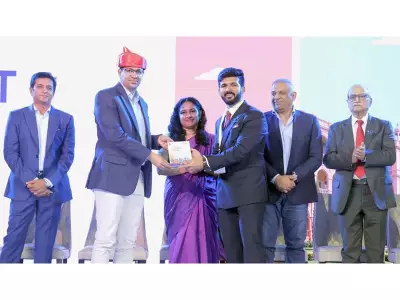
India has firmly cemented its position as the undisputed global leader in the spice industry, maintaining its status as the world's largest producer, consumer, and exporter of spices. The nation's spice exports achieved a remarkable milestone, crossing 1.8 million tonnes with a valuation exceeding $4 billion in the previous fiscal year. This significant announcement was made by Amitabh Kant, the former G20 Sherpa and ex-CEO of NITI Aayog, during his address in Kochi on Monday.
Call for Strategic Transformation in Spice Exports
Amitabh Kant delivered a compelling message to the spice industry, urging a decisive and strategic shift away from traditional bulk exports. He emphasized the critical need to transition towards high-value, branded, and technology-driven products to enhance global competitiveness and profitability. Kant was inaugurating the prestigious four-day International Spice Conference (ISC 2026), which is being organized by the All-India Spices Exporters Forum (AISEF).
International Spice Conference Focuses on Future Readiness
The ninth edition of the International Spice Conference is being held under the forward-looking theme Spice 360 – Getting Future Ready. This major industry gathering is expected to concentrate on several key areas essential for the sector's growth and sustainability. The conference aims to strengthen compliance systems, build resilient and robust supply chains, and expand collaboration between regulators and industry stakeholders across both producing and importing regions worldwide.

Five-Point Priority Agenda for the Spice Sector
During his inaugural speech, Amitabh Kant outlined a comprehensive five-point priority agenda designed to propel the Indian spice industry into a new era of innovation and global leadership:
- Aggressive Value Addition: Push for significant value addition in spice blends, nutraceuticals, and premium branded products to capture higher margins in international markets.
- Technology Integration: Deploy advanced artificial intelligence and data analytics across all stages, including cultivation, processing, and quality assurance systems, to enhance efficiency and precision.
- Climate Resilience: Develop and implement climate-resilient farming models to safeguard spice production against environmental challenges and ensure long-term sustainability.
- Sustainability as Advantage: Treat sustainability and traceability not merely as regulatory compliance burdens but as core competitive advantages that can differentiate Indian spices globally.
- Farmer-Centric Approach: Place small and marginal farmers, who account for over 80% of spice cultivation in India, at the center of all policy decisions and market interventions to ensure inclusive growth.
Kant expressed strong optimism about the sector's potential, stating, "With the right technology, strategic partnerships, and supportive policy frameworks, we can make the Indian spice sector truly future-ready and maintain our global dominance." The conference serves as a pivotal platform for stakeholders to align on these priorities and drive the industry towards a more innovative and sustainable future.