Kemral Gram Panchayat launches Karnataka's first waste-to-RDF pellets facility
Kemral Gram Panchayat in Mangaluru has inaugurated Karnataka's first waste-to-Refuse Derived Fuel (RDF) pellets unit, a pioneering facility that converts non-recyclable dry waste into industrial fuel. The unit, which began operations on 11 July 2026, is designed to process up to 10 tonnes of dry waste per day, producing RDF pellets that can replace coal in industrial boilers.
How the RDF unit works and its capacity
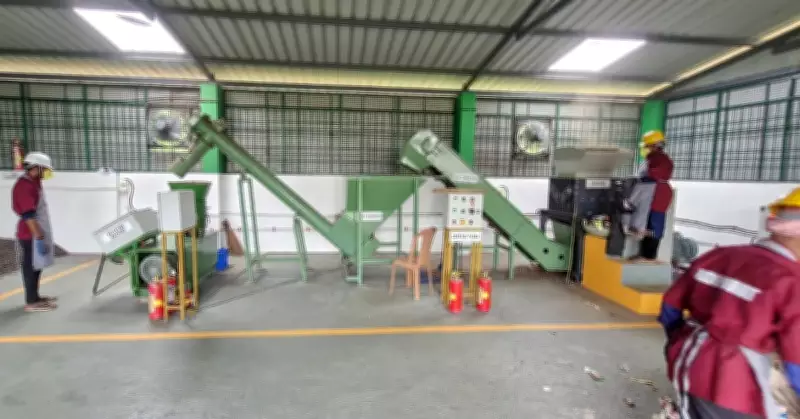
The facility processes mixed dry waste collected from households and commercial establishments in the panchayat area. Non-recyclable materials such as plastics, textiles, and paper are shredded, dried, and compressed into pellets with a calorific value of approximately 4,000 kcal/kg, comparable to low-grade coal. The unit has a daily processing capacity of 10 tonnes and is expected to generate 6–7 tonnes of RDF pellets daily. According to panchayat officials, the project cost ₹2.5 crore and was funded under the Swachh Bharat Mission.
Environmental and economic impact
The initiative aims to reduce the burden on landfills and lower carbon emissions. By diverting dry waste from dumpsites, the panchayat expects to cut methane generation and air pollution from open burning. The RDF pellets will be supplied to local industries, including cement plants and brick kilns, at a rate of ₹5 per kg, creating a revenue stream for the panchayat. “This unit not only solves our waste problem but also provides a sustainable fuel alternative,” said a panchayat official. The project is expected to save the panchayat ₹15 lakh annually in waste transportation and disposal costs.

Replicability and future plans
The Kemral model is being studied by other local bodies in Karnataka for potential replication. The state government has expressed interest in scaling up similar units in other gram panchayats. Mangaluru City Corporation is also exploring a partnership to send its non-recyclable waste to the Kemral facility. The unit employs 12 local workers and includes a training component for waste segregation at source.