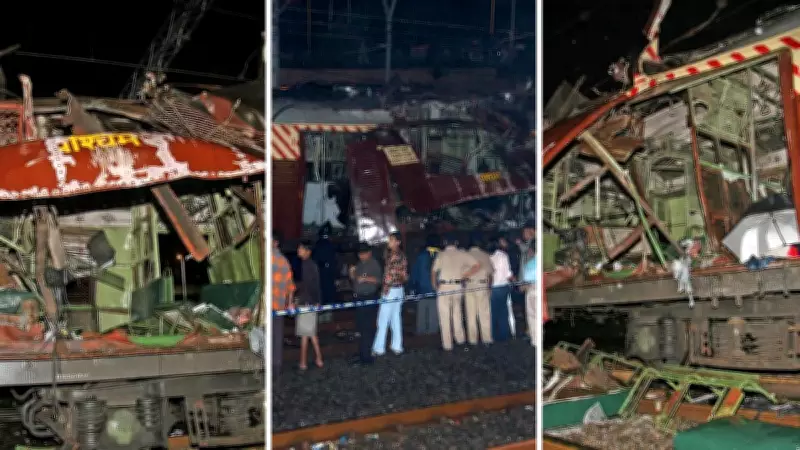
Mumbai on Saturday marked the 20th anniversary of the 7/11 train blasts, a series of coordinated bombings on the city's suburban railway network that killed 187 people and injured over 800 others. The attacks, carried out on July 11, 2006, remain one of the deadliest terrorist strikes in India's history.
Commuters Remembered
The victims were mostly working professionals—executives, businessmen, government and private sector employees—along with college students who were returning home during the evening rush hour. Seven bombs exploded within 11 minutes on trains between Churchgate and Bhayandar, causing chaos and grief across the city.
According to official records, the blasts occurred at Khar, Santacruz, Jogeshwari, Borivali, Bhayandar, Mahim, and Matunga stations. The attacks were later attributed to the Islamist militant group Lashkar-e-Taiba.

Memorial Events and Tributes
On the anniversary, survivors and families of the victims gathered at the Mahim station memorial, where a plaque lists the names of those killed. Wreaths were laid, and a two-minute silence was observed at 6:25 PM—the time of the first explosion. Local authorities and railway officials also paid homage.
“We still feel the pain as if it happened yesterday,” said a relative of a victim, according to local reports. “The government must ensure such attacks never happen again.”
Security Upgrades Since the Attacks
In the aftermath, Mumbai's railway network saw significant security enhancements, including installation of CCTV cameras, increased police patrols, and anti-sabotage checks. The Railway Protection Force (RPF) and Government Railway Police (GRP) now conduct regular drills to prevent similar incidents.
However, some survivors have criticized the pace of improvements. “While security has improved, we still see gaps,” a commuter advocacy group member stated. “We need more awareness and preparedness among passengers.”
Legacy of the 7/11 Blasts
The 7/11 attacks reshaped Mumbai's approach to urban security. The city, which had previously faced serial blasts in 1993 and 2003, adopted a more robust counter-terrorism framework. The Maharashtra government also established a special court to fast-track trials of the accused. In 2021, a court convicted 12 of the 13 accused, sentencing them to life imprisonment.
As Mumbai remembers the tragedy, the focus remains on resilience. “The spirit of Mumbai is unbreakable,” said a local official. “We honor the dead by staying vigilant and united.”