

LPG Delivery Authentication Glitch Finally Fixed by Oil Marketing Companies
After weeks of widespread confusion and numerous failed deliveries, India's oil marketing companies (OMCs) have successfully resolved a significant technical flaw in the delivery authentication code (DAC) system. This crucial fix brings much-needed relief to countless LPG consumers across the nation who had been struggling to receive their booked cylinders despite making timely payments.
The Core Problem: Authentication Code Delivery Failure
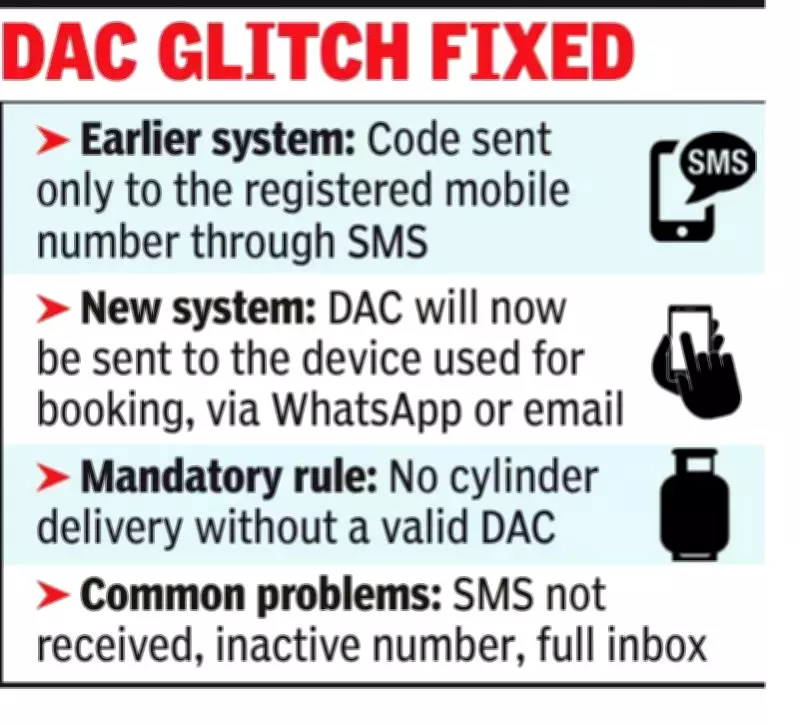
The primary issue stemmed from a design limitation in the DAC system, which is intended to provide a one-time code that must be shared with delivery personnel during cylinder handover. Previously, this authentication code was automatically sent only to the consumer's registered mobile number, regardless of which device was actually used to book the cylinder refill.
"Even if a consumer booked an LPG refill from an app on a device that had a different number than their registered mobile number, the DAC would still be sent exclusively to the registered number," explained Bijon Bihari Biswas, spokesperson for LPG dealers. "This created serious problems when the registered number had become inactive, unrecharged, or otherwise inaccessible."

This technical oversight particularly affected households with multiple devices and phone numbers, leaving many consumers unable to provide the necessary authentication code to delivery personnel. The situation resulted in delivery staff frequently returning with full cylinders, causing significant delays and increasing operational costs for distributors.
The Innovative Solution: Device-Based Authentication
OMCs have now implemented a fundamental modification to the system architecture. Under the new protocol, the delivery authentication code will be sent directly to the specific device from which the cylinder booking was made, whether through WhatsApp or email. This represents a substantial improvement over the previous system that relied solely on SMS delivery to a registered mobile number.
The earlier approach suffered from multiple vulnerabilities, including full SMS inboxes, outdated contact information, and the fundamental mismatch between booking devices and registered numbers. Distributors confirm that the updated system will dramatically streamline operations and reduce disputes at consumers' doorsteps.
"Delivery staff had to return with full cylinders as customers could not provide the required DAC," shared a distributor familiar with the challenges. "This not only delayed essential deliveries to households but also significantly increased our operational costs and created unnecessary friction with consumers."
Consumer Relief and System Safeguards
LPG consumers across India have welcomed this technological correction with considerable relief. Many had experienced firsthand the frustrations of the flawed system.
"I booked a cylinder using the app on my new phone, but the authentication code was sent to my old number, which I no longer use," recounted Ananya Guha, a resident of Parnashree. "The delivery person refused to hand over the cylinder without the DAC, leaving our household without cooking fuel. This system change should prevent such stressful situations from recurring."
Despite these necessary modifications, OMCs have reiterated that the DAC system remains an essential safeguard against potential misuse. The authentication mechanism continues to serve vital functions in preventing LPG diversion to commercial markets and enhancing overall transparency in the distribution process, according to industry representatives.
The resolution of this technical glitch marks a significant step forward in improving India's LPG delivery infrastructure, ensuring that consumers receive their essential cooking fuel reliably while maintaining necessary security protocols against system abuse.






