LPG Shortage Sparks Concerns for Gig and App-Based Transport Workers
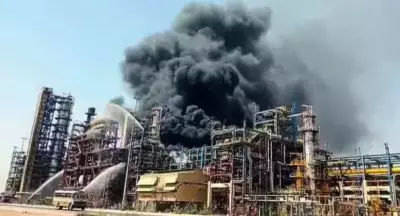
In India, a looming LPG shortage is causing significant anxiety among gig and app-based transport workers, who rely heavily on this fuel for their vehicles. Any disruption in the supply chain could lead to severe consequences, including long queues at fuel stations, fewer completed trips, and an immediate loss of income. These drivers are already grappling with escalating operational costs, making this potential crisis a critical threat to their livelihoods.
Impact on Daily Operations and Earnings
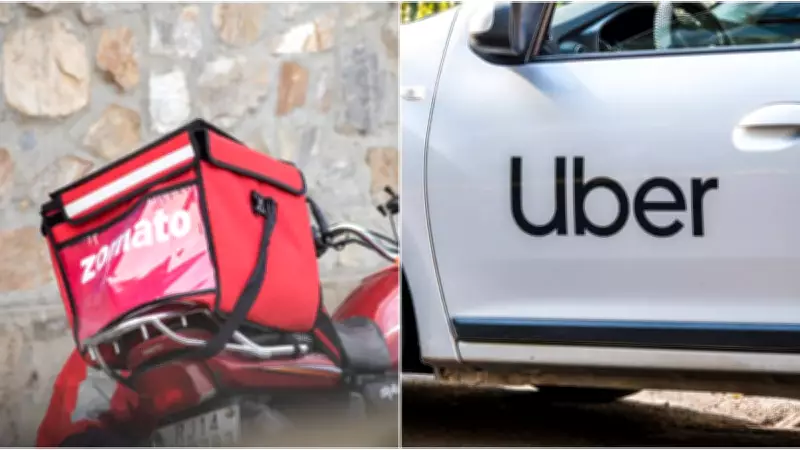
The reliance on LPG for many app-based transport services, such as those offered by companies like Uber and Ola, means that a shortage could directly reduce the number of trips drivers can make. With long waits at fuel stations, valuable time that could be spent earning is lost, exacerbating financial strain. This situation is particularly concerning for gig workers in the food delivery sector, including platforms like Zomato and Swiggy, where timely deliveries are essential for income.
Broader Economic and Social Implications
Beyond individual drivers, the LPG shortage could ripple through the broader economy, affecting service availability and consumer convenience. As operational costs rise due to fuel scarcity, drivers may face increased expenses, further squeezing their already tight margins. This highlights the vulnerability of gig workers in India's evolving job market, where income stability is often precarious.

- Long queues at fuel stations could lead to wasted time and reduced trip frequency.
- Immediate income loss for drivers struggling with high operational costs.
- Potential disruptions in app-based transport and delivery services nationwide.
In summary, the LPG shortage poses a serious challenge for India's gig economy, threatening the financial security of thousands of workers who depend on consistent fuel supply to sustain their livelihoods.