

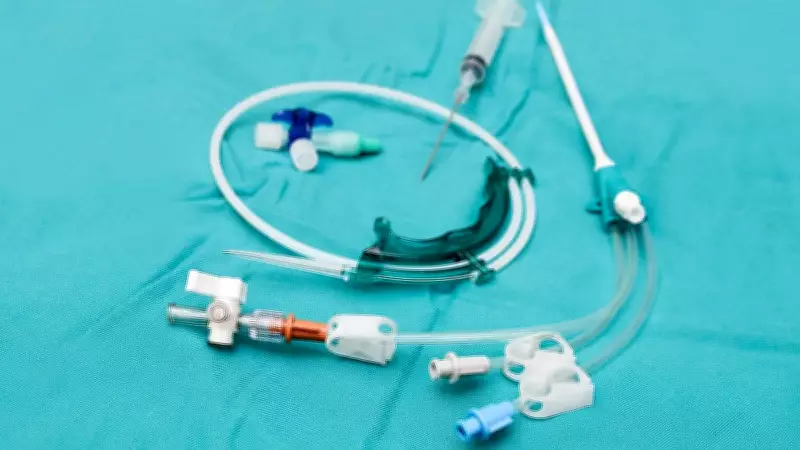
Medical Device Industry Appeals for Government Support Amid Soaring Input Costs
The Association of Indian Medical Device Industry (AIMED) has urgently reached out to Union Minister Piyush Goyal, seeking immediate government intervention and relief measures. This appeal comes as the ongoing conflict in West Asia has severely disrupted supply chains, leading to a staggering 50% increase in input costs for critical medical device manufacturing.
Conflict-Driven Cost Escalation Cripples Industry
The prolonged geopolitical tensions and military actions in West Asia have created significant logistical bottlenecks and raw material shortages. Key components and specialized materials essential for producing medical devices, such as diagnostic equipment, surgical instruments, and implants, are now facing unprecedented price hikes. Industry representatives report that transportation delays, increased insurance premiums, and scarcity of specific imported materials have collectively driven overall production expenses up by half, threatening the viability of domestic manufacturers and potentially impacting healthcare affordability.
Specific Relief Measures Requested from Government
In its formal communication to Minister Goyal, AIMED has outlined several concrete proposals for economic relief. The primary requests include:

- Rationalization of Inland Haulage Charges: The industry is urging the Container Corporation of India (CONCOR) to review and standardize its domestic freight charges. The current volatile and often elevated haulage costs are compounding the already high international shipping expenses, making the final landed cost of raw materials prohibitively expensive.
- Expedited GST Refund Processing: Manufacturers are calling for the government to fast-track the refund process for Goods and Services Tax (GST) as previously assured. Delays in receiving these refunds are severely straining working capital, especially for small and medium-sized enterprises (SMEs) that form the backbone of the sector.
- Exploration of Alternative Supply Routes: While not explicitly stated in the initial appeal, industry insiders suggest a broader need for government assistance in identifying and securing alternative sourcing channels to reduce dependency on conflict-affected regions.
Broader Implications for Healthcare and Economy
This cost crisis extends beyond the manufacturing sector. A sustained increase in production costs could lead to higher prices for hospitals and end-patients, straining India's public and private healthcare systems. Furthermore, the medical device industry is a significant contributor to the 'Make in India' initiative and a growing exporter. Continued financial pressure could hinder domestic production growth, affect employment, and reduce India's competitiveness in the global medical technology market. The industry's appeal underscores the need for a swift and strategic policy response to insulate a critical sector from external geopolitical shocks and ensure the steady supply of affordable medical technology within the country.






