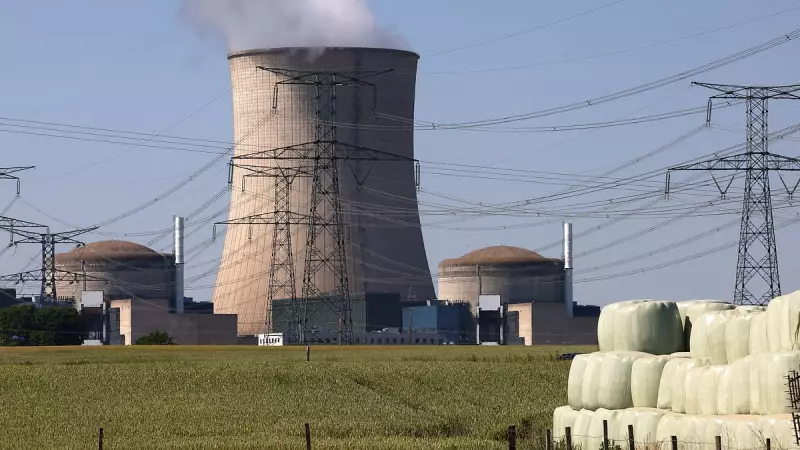
The debate around nuclear power has been reignited in India, presenting itself once again as a potential cornerstone for the nation's clean energy future. However, this renewed case for atomic energy is met with significant skepticism from experts who point to the industry's historical struggles with project delivery and execution.
The Persistent Problem of Project Delivery
A central critique from industry observers focuses on the nuclear sector's track record. Experts contend that the main problem is an industry that has repeatedly struggled to deliver projects on time and within budget. This history of delays and cost overruns casts a long shadow over ambitious new plans, raising questions about the feasibility of rapid expansion.
Bigger Hurdles for Advanced Reactor Designs
The challenges are not limited to traditional reactor models. The push for next-generation technology introduces a new layer of complexity. According to analysts, the hurdles facing advanced reactors are even bigger. These designs are novel and largely unproven at a commercial scale, introducing technical and regulatory uncertainties.

Compounding this issue is a critical supply chain concern. Some of these advanced reactor concepts require a specific type of uranium fuel known as High-Assay Low-Enriched Uranium (HALEU). The global industry has only limited experience with manufacturing and handling this new kind of uranium fuel, potentially creating a bottleneck for deployment if demand surges.
The Path Forward for India's Nuclear Ambitions
For India, which is keen to diversify its energy mix and reduce carbon emissions, the nuclear question is pivotal. The renewed advocacy for nuclear power hinges on its ability to provide stable, baseload power without greenhouse gas emissions. Yet, the path forward is fraught with the dual challenges of overcoming past performance issues and navigating the uncharted territory of advanced nuclear technology and its fuel cycle.
The success of this latest push will depend on whether the industry can demonstrate a breakthrough in project management and whether the international fuel infrastructure for advanced reactors can be developed in time. The question remains: Will the current case for nuclear energy in India prove more durable than previous cycles of enthusiasm, or will it fade against the stark realities of execution and innovation?
The International New York Times published this opinion piece, highlighting these critical debates, on January 7, 2026. The discussion continues as policymakers and energy planners weigh the promises of nuclear power against its persistent practical challenges.