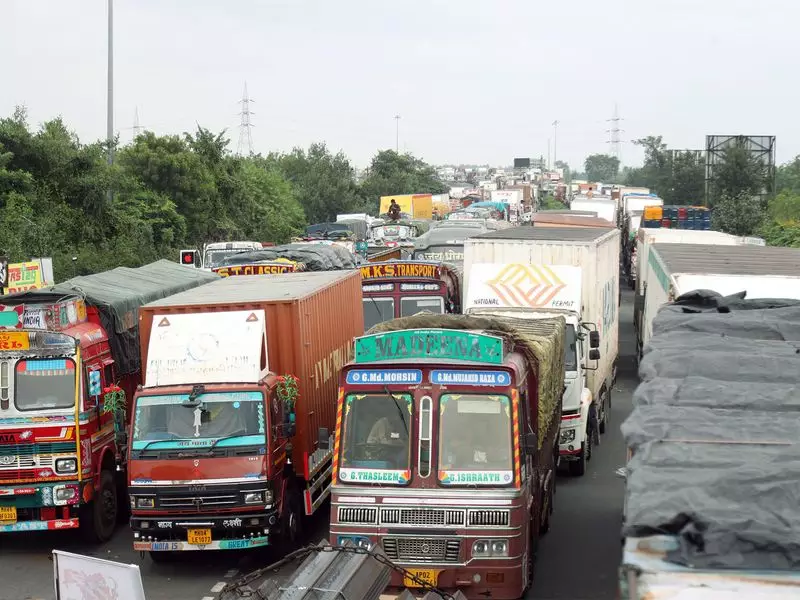
India's commercial vehicle (CV) industry is gearing up for a period of sustained growth, according to a recent analysis by Nomura Research Institute. The sector is poised to enter a strong upcycle, primarily fueled by a significant build-up in replacement demand from fleet operators and supported by a healthy macroeconomic environment.
Replacement Demand Drives the Upcycle
The core of Nomura's optimistic outlook lies in the aging fleet on Indian roads. The research indicates that a large portion of the country's commercial vehicle fleet is due for replacement. This pent-up demand is expected to be the primary engine for growth over the coming quarters. The previous upcycle peaked around fiscal year 2019, and with the typical lifecycle of a CV being 7-8 years, the replacement wave is now imminent.
Ashwin Patil, Senior Research Analyst at Nomura, highlighted that the current demand is fundamentally driven by replacement needs rather than just economic expansion. This provides a solid and predictable foundation for the upswing. The industry has already witnessed a healthy recovery in volumes post the pandemic-induced slump, and this trend is anticipated to accelerate.

Economic Tailwinds and Government Spending
Beyond replacement, several macroeconomic factors are aligning to support the commercial vehicle sector. Nomura points to sustained government capital expenditure on infrastructure projects as a key catalyst. Continued investment in roads, ports, and logistics corridors directly boosts the demand for haulage trucks and tippers.
Furthermore, a gradual recovery in the industrial and mining sectors is contributing to improved freight availability and better fleet utilization rates. This improved economic activity translates into healthier financials for fleet operators, giving them the confidence and capacity to invest in new vehicles. The overall resilience of the Indian economy provides a conducive backdrop for this industry upcycle.
Challenges and Competitive Landscape
While the outlook is positive, the report does not ignore existing challenges. The industry continues to navigate high input costs and global supply chain uncertainties. However, the strong underlying demand is expected to help manufacturers manage these headwinds more effectively.
The competitive landscape remains intense with major players like Tata Motors, Ashok Leyland, Mahindra & Mahindra, and Eicher Motors (Volvo Eicher) vying for market share. The upcycle will likely see these companies leverage new product launches, especially in alternative fuel segments like natural gas and electric vehicles, to capture growth. The focus on cleaner, more efficient trucks is also gaining momentum, aligning with broader environmental goals.
In conclusion, Nomura Research Institute presents a compelling case for a robust upcycle in India's commercial vehicle industry. The convergence of a long-overdue replacement cycle, supportive government policies, and broader economic growth creates a favorable multi-year outlook. Stakeholders across manufacturers, component suppliers, and fleet operators are set to benefit from this anticipated surge in demand.