Punjab Agricultural University Empowers Farmers with Medicinal Spice Crop Training
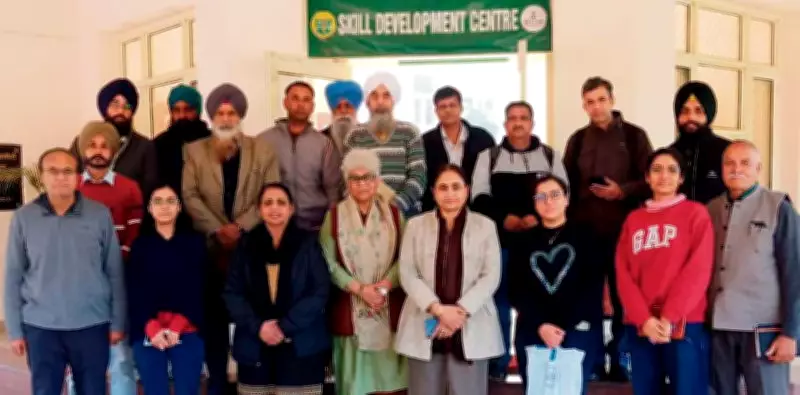
In a significant initiative aimed at diversifying agriculture and enhancing farmer incomes, the Punjab Agricultural University (PAU) in Ludhiana has conducted a specialized training program for 23 farmers. The program focused on the cultivation of high-value medicinal and spice crops, which are gaining prominence in both domestic and international markets due to their health benefits and economic potential.
Training Program Details and Objectives
The training session, organized by PAU's Department of Agronomy, provided hands-on instruction in growing crops such as turmeric, ginger, and ashwagandha. These crops are known for their medicinal properties and are increasingly in demand in the pharmaceutical and wellness industries. The program covered essential aspects of cultivation, including soil preparation, planting techniques, pest management, and post-harvest processing.
The primary goal of this initiative is to reduce farmers' reliance on traditional crops like wheat and rice, which often face price volatility and environmental challenges. By introducing medicinal spice crops, PAU aims to offer farmers a sustainable alternative that can yield higher profits and improve resilience against climate change.

Impact on Farmers and Agricultural Practices
The 23 participating farmers, selected from various regions of Punjab, received comprehensive guidance on integrating these crops into their existing farming systems. This training is expected to empower them with the knowledge to tap into niche markets, potentially increasing their income by up to 30-40% compared to conventional farming. Experts from PAU emphasized the importance of organic farming practices to enhance crop quality and meet export standards.
Key benefits highlighted during the training include:
- Improved soil health through crop rotation and organic inputs.
- Reduced water usage compared to water-intensive traditional crops.
- Access to premium markets for medicinal and spice products.
Future Prospects and PAU's Role
PAU plans to expand this training program to more farmers in the coming months, with a focus on scaling up production and establishing market linkages. The university is also collaborating with agricultural cooperatives and private companies to ensure that farmers have reliable buyers for their produce. This initiative aligns with the government's efforts to promote agricultural diversification and support sustainable farming practices across India.
By fostering innovation in agriculture, PAU is not only enhancing livelihoods but also contributing to the growth of the medicinal plant sector, which holds immense potential for economic development and healthcare advancements.