India's Silent Mobility Revolution: The Rise of Small Electric Vehicles
India stands at the brink of a transformative mobility revolution, one not defined by large automobiles or massive infrastructure projects, but driven by the quiet, potent force of compact electric vehicles. As the nation cements its position as the world's fastest-growing digital and delivery marketplace, it is increasingly clear that small, efficient, and intelligent EVs designed for urban environments will form the backbone of this seismic shift.
The Explosive Growth of India's Doorstep Economy
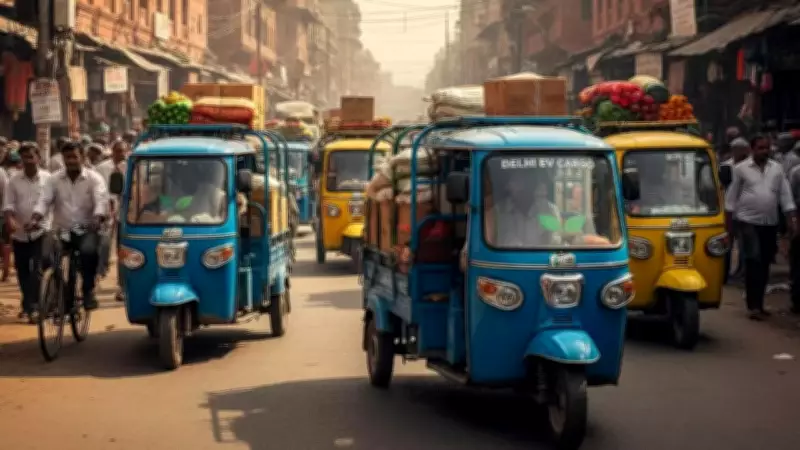
Over the last half-decade, India's doorstep delivery sector has experienced unprecedented expansion, transporting everything from food and pharmaceuticals to groceries and electronic gadgets. With e-commerce rapidly penetrating tier-2, tier-3, and even rural regions, the demand for swift, sustainable, and cost-effective transportation solutions has never been higher. This is precisely where compact EVs, particularly electric three-wheelers, are emerging as genuine game-changers.
Why Small EVs Are Crucial for India's New Economic Landscape
India's delivery ecosystem operates under unique conditions compared to Western markets. Streets are narrower, travel distances are often shorter, and demand density is significantly higher. For fleet operators, gig workers, and logistics aggregators, low operational costs, high vehicle uptime, and exceptional maneuverability are absolutely critical to profitability. Small EVs perfectly meet these requirements.

They consume far less energy, dramatically reduce dependence on fossil fuels, and offer drivers substantial monthly savings—frequently cutting operating expenses by 60–70% compared to traditional internal combustion engine vehicles. This cost advantage directly fuels job creation, higher wages, and vastly improved last-mile delivery efficiency.
Addressing Urban Challenges Beyond Economics
The significance of compact EVs extends well beyond pure economics to tackle India's pervasive urban friction. Cities nationwide are plagued by severe congestion, hazardous pollution levels, and chaotic movement of people and goods. Transitioning to small electric vehicles represents not merely a smart business decision but the only sustainable path forward for urban mobility.
The Integral Link Between EVs and the Digital Economy
Whether an online purchase costs ₹50 or ₹50,000, everything ultimately hinges on effective last-mile transportation. As India processes millions of daily deliveries and over one billion digital transactions monthly, mobility infrastructure must evolve at a matching pace. This has given birth to the New Mobility Economy, where digital infrastructure and transportation systems function as intricately connected components rather than separate sectors.
- Digital commerce generates unprecedented demand for mobility solutions.
- The quality of digital services is fundamentally determined by mobility efficiency.
- Sustainable transportation significantly reduces environmental costs across the entire digital supply chain.
Compact electric vehicles serve as the vital bridge connecting these two interconnected worlds.
A Historic Opportunity for National Advancement
India possesses a unique combination of massive population, rapid digital adoption, and an entrepreneurial workforce unmatched by any other nation. The expansion of small EVs is creating unprecedented income opportunities at the grassroots level, empowering delivery partners, EV fleet owners, and micro-entrepreneurs operating electric rickshaws.
A single well-engineered electric three-wheeler can enable transformative outcomes:
- A driver to earn significantly more than with gasoline alternatives.
- A small fleet operator to establish durable microbusinesses.
- A family to achieve consistent financial advancement and stability.
This represents mobility not merely as transportation but as genuine economic progress.

Technological Innovation Driving Small EV Adoption
The shift to electric vehicles involves creating an entirely new mobility architecture, not simply replacing engines with batteries. Modern small EVs incorporate advanced features including real-time diagnostics, cloud-linked telemetry systems, regenerative braking technology, IoT-based safety and performance monitoring, and highly efficient lithium-ion battery solutions.
For logistics companies, this technological integration provides crucial predictability and operational visibility. For drivers, it translates to reduced downtime and enhanced vehicle reliability. For India, it means building an integrated ecosystem where vehicles communicate seamlessly with mobility providers, digital platforms, warehouses, and charging infrastructure.
Charging Infrastructure: The Next Critical Frontier
For small electric vehicles to fully unleash India's delivery revolution, the next wave of innovation must focus on charging infrastructure. Rather than large public charging stations designed for cars, India requires compact charging solutions embedded within local markets.
- Rapid battery swapping kiosks for quick turnaround.
- Cluster-based charging systems optimized for fleet operators.
- Convenient workplace and residential charging options.
This specialized infrastructure will dramatically increase fleet productivity while lowering operators' cost-per-kilometer. The entire industry must collaborate urgently to construct this essential backbone.
Building a Cleaner, Quieter, and More Efficient Nation
Small EVs represent far more than an economic solution—they constitute a comprehensive climate and public health strategy. Every electric three-wheeler that replaces a diesel auto reduces tailpipe emissions to zero, directly improving air quality in India's most congested urban centers. Noise pollution levels decrease substantially, creating calmer, more peaceful neighborhoods. National energy dependence shrinks, strengthening overall economic efficiency and resilience.
Urban India possesses the potential to transform within a single decade, not through massive infrastructure projects, but through millions of small electric vehicles quietly rewriting the rules of everyday mobility and economic opportunity.