

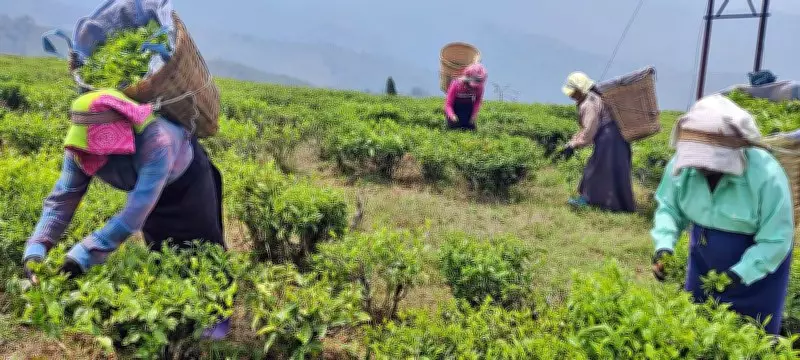
Tea Industry in Turmoil Over Amit Shah's Revival Promise
The Indian tea industry, a cornerstone of the nation's agricultural and export economy, finds itself in a state of intense debate and uncertainty. This follows a recent promise by Union Home Minister Amit Shah to unveil a comprehensive revival plan for the sector. The announcement, made during a political rally in Assam, has sparked a sharp division among industry stakeholders, plantation owners, and workers' unions. Many are questioning whether this pledge represents a genuine commitment to address long-standing issues or is merely a political maneuver timed with upcoming state elections.
Stakeholder Reactions: Hope Versus Skepticism
On one side of the divide, there is a faction expressing cautious optimism. This group includes some plantation owners and industry associations who view Shah's promise as a potential turning point. They argue that the central government's attention could finally bring much-needed reforms, such as financial support for modernizing aging tea bushes, improving infrastructure in remote plantation areas, and enhancing market access for Indian tea globally. Proponents point to the historical significance of the tea industry, which employs millions directly and indirectly, particularly in states like Assam and West Bengal, and its critical role in rural livelihoods.
Conversely, a significant segment of the industry remains deeply skeptical. Trade unions representing tea garden workers have voiced strong doubts, labeling the promise a "political bluff" aimed at garnering votes in Assam, where tea garden communities form a substantial voter base. They highlight unfulfilled past assurances from various governments regarding wage increases, better living conditions, and resolution of land rights issues. Critics argue that without concrete details, a timeline, or budgetary allocations, Shah's announcement lacks substance and risks being another empty promise that fails to address core challenges like low productivity, climate change impacts, and volatile international prices.

Core Issues Facing the Tea Sector
The debate unfolds against a backdrop of persistent struggles within the tea industry. Key problems include:
- Economic Viability: Many tea estates operate on thin margins due to rising production costs and stagnant auction prices.
- Infrastructure Deficits: Remote plantations often lack proper roads, healthcare, and educational facilities, affecting worker welfare.
- Global Competition: Indian tea faces stiff competition from countries like Kenya and Sri Lanka, impacting export revenues.
- Labor Concerns: Issues such as fair wages, housing, and social security for workers remain unresolved in many regions.
Industry analysts note that any effective revival plan must tackle these multifaceted issues holistically. They emphasize the need for a collaborative approach involving the central government, state authorities, industry bodies, and worker representatives to ensure sustainability and equity.
Political Context and Future Implications
The timing of Shah's promise is particularly contentious, coinciding with heightened political activity in Assam. Observers suggest that the tea industry, with its large workforce, is a key electoral battleground, making such announcements strategically significant. However, this political angle fuels skepticism among those who fear the sector's genuine needs may be overshadowed by short-term electoral gains.
Moving forward, stakeholders are calling for transparency and immediate action. They urge the government to release detailed proposals, consult widely with all parties involved, and implement measures that go beyond rhetoric. The division within the industry underscores a broader demand for accountability and results-driven policies that can revive this historic sector and secure the livelihoods of millions dependent on it.






