As a thick, persistent blanket of fog descends upon vast swathes of North India, driving conditions have turned hazardous, leading to a spike in road accidents and multi-vehicle pile-ups. This annual winter phenomenon, while visually dramatic, poses severe risks to motorists, complicating travel and jeopardising safety. In such low-visibility scenarios, determining fault in an accident becomes a major challenge, often leading to protracted and disputed insurance claims.
The Fog Crisis and the Insurance Claim Dilemma
The current fog conditions, particularly affecting regions like Delhi-NCR, Punjab, Haryana, and Uttar Pradesh, have significantly reduced visibility on highways and city roads. This environment is a perfect storm for collisions, where the sequence of events is frequently obscured—literally and figuratively. When accidents occur in dense fog, the traditional process of establishing liability relies heavily on eyewitness accounts, which can be unreliable or absent, and police reports, which may not capture the nuanced dynamics of the crash.
This evidentiary gap directly impacts motor insurance claims. Without clear proof, insurance companies may delay settlements, apportion blame differently, or in worst-case scenarios, reject claims altogether. The policyholder is then left in a difficult position, facing financial loss for repairs and potential liability for damages to other vehicles.

Dashcams: The Unbiased Electronic Witness for Your Car
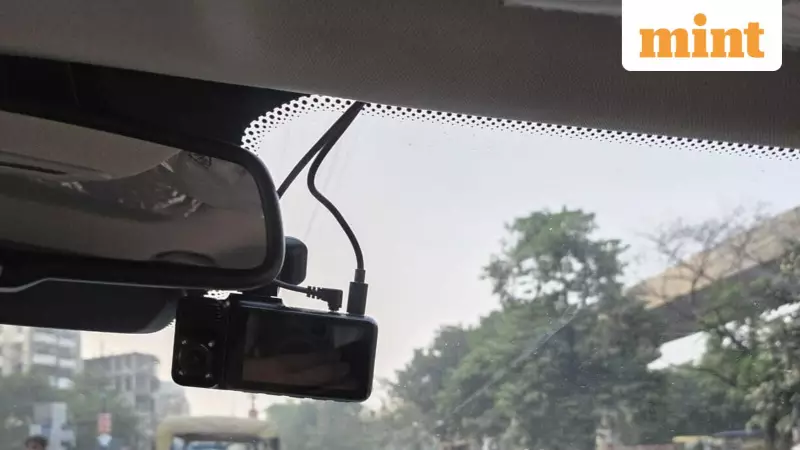
In response to these challenges, automotive safety experts and insurance advisors are increasingly recommending a simple technological solution: the dashcam. A dashboard camera, or dashcam, is a compact video recording device mounted on a vehicle's windshield or dashboard. It continuously records the road ahead (and often behind) in high definition, providing an unbiased, real-time account of the vehicle's journey.
During a fog-related or any other accident, the footage from a dashcam for car becomes invaluable evidence. It can irrefutably show:
- The actions of the driver of the equipped vehicle.
- The speed, positioning, and sudden maneuvers of other vehicles involved.
- The exact weather and road conditions at the moment of impact.
- Whether traffic signals were obeyed.
This visual evidence cuts through the "he-said-she-said" arguments that typically follow a collision. Submitting this footage to your insurance provider can dramatically streamline the claims process. It offers clarity, reduces investigation time, and helps in accurate fault assessment, leading to faster and fairer settlements.
Investing in Security Beyond the Fog Season
While the immediate trigger is the dense North Indian fog, the utility of a dashcam extends year-round. It serves as a protective tool against insurance frauds like deliberate "cash-for-crash" schemes, hit-and-run incidents, and vandalism when parked. Modern dashcams offer features like GPS logging (which records speed and location), G-sensors that automatically save and lock footage upon detecting a collision, and parking surveillance modes.
Financial advisors note that the cost of a reliable dashcam, which can range from a few thousand rupees to more advanced models, is a minor investment compared to the potential financial and legal headaches of a contested insurance claim. It empowers the driver with a layer of security and accountability.
As climate patterns contribute to more frequent and intense fog episodes in the Indo-Gangetic plains, adapting our safety measures is crucial. Alongside driving cautiously—using fog lights, maintaining low speed, and keeping ample distance—equipping your vehicle with a dashcam is a proactive step towards modern, evidence-based road safety and financial prudence. In the opaque chaos of a foggy road, it ensures your version of events is seen and heard clearly.