Jaipur Development Authority's Controversial Proposal for Market Complexes
The Jaipur Development Authority (JDA) has introduced a new and contentious proposal aimed at converting all community centers into market complexes. This initiative is currently under intense scrutiny from various stakeholders, including local residents and urban planners, who are questioning its feasibility and impact on the city's social fabric.
Officials Cite Poor Conditions in Existing Markets
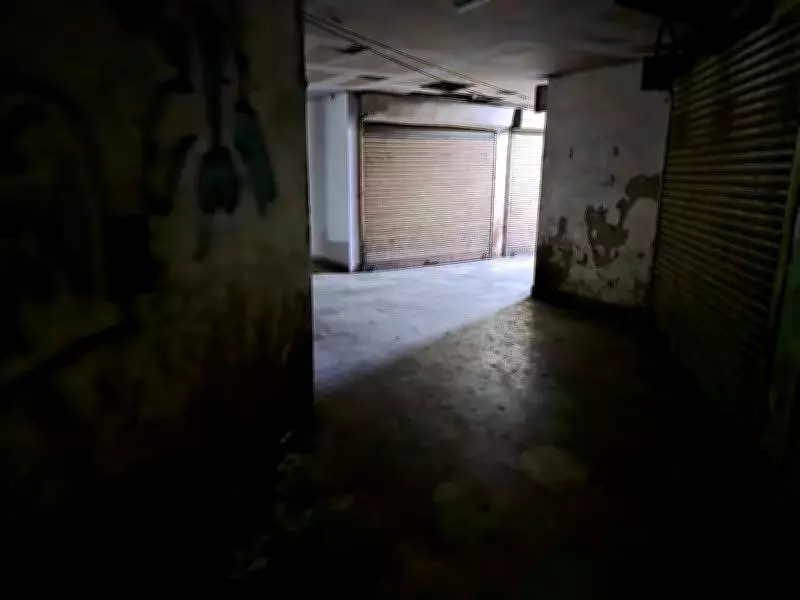
JDA officials have publicly cited the deplorable state of existing JDA-run market complexes throughout Jaipur as a primary motivation for this proposal. They highlighted that many of these markets are struggling with alarmingly low occupancy rates and a significant number of non-operational shops, which have led to financial losses and urban decay.
For instance, the AC Market in Raja Park and the Nehru Market on Tonk Road are prime examples of this issue, with numerous shops remaining vacant or closed for extended periods. The situation is similarly dire for shops located in underpasses, such as those at the JLN Marg near Jawahar Circle and on MI Road close to Ajmeri Gate.

Specific Market Challenges Detailed
A JDA official, who requested anonymity, provided detailed insights into the current market conditions. "The JDA-run markets across the city, especially the AC Market in Raja Park and the Nehru Market on Tonk Road, struggle with low occupancy and lack of operational shops. In fact, the situation is the same for the shops located inside the underpass of the JLN Marg at the Jawahar Circle and the underpass on MI Road near the Ajmeri Gate. The Ajmeri gate underpass is now being managed by the Jaipur Municipal Corporation and it is not operational," the official stated.
This statement underscores the widespread nature of the problem, affecting multiple key locations in Jaipur and raising concerns about the effectiveness of current management strategies.
Potential Implications and Public Reaction
The proposal to convert community centers into market complexes could have far-reaching implications for Jaipur's urban landscape. Community centers traditionally serve as hubs for social, cultural, and recreational activities, and their transformation into commercial spaces might reduce public access to these vital facilities.
Residents and community groups have expressed worries about losing these communal spaces, which play a crucial role in fostering neighborhood cohesion and providing venues for events and gatherings. The scrutiny of this proposal reflects broader debates about balancing economic development with social welfare in urban planning.
As the JDA moves forward with this plan, it will need to address these concerns and demonstrate how the new market complexes will avoid the pitfalls of the existing ones, such as poor maintenance and low tenant interest. The success of this initiative may depend on improved management practices, better infrastructure, and enhanced marketing efforts to attract businesses and customers.
In summary, the JDA's proposal marks a significant shift in Jaipur's urban development strategy, but it faces challenges due to the troubled history of its current market complexes. Stakeholders are calling for transparent discussions and careful consideration to ensure that any changes benefit the city as a whole without compromising community needs.