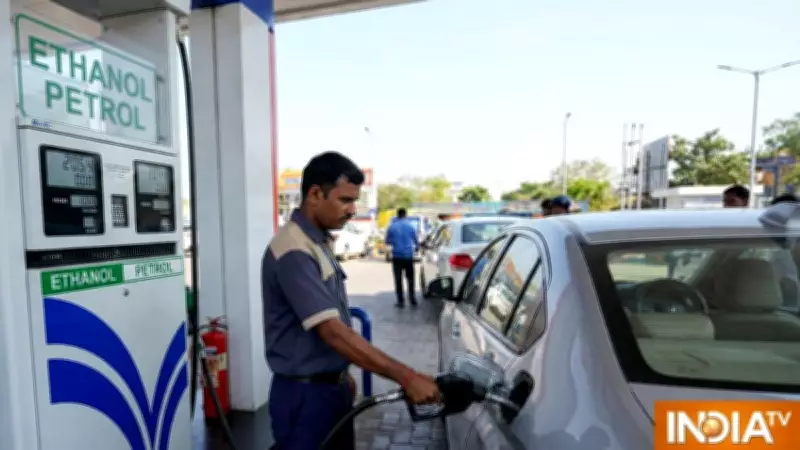
The Indian government has officially clarified that the use of E20 ethanol-blended petrol will not affect the validity of vehicle insurance policies. This announcement, made on June 24, 2026, by the Ministry of Road Transport and Highways, aims to allay widespread concerns among vehicle owners regarding potential insurance claims being denied due to the adoption of higher ethanol-blended fuel.
Government Clarification on Insurance Impact
In a statement, the ministry emphasized that insurance contracts are governed by the Insurance Act, 1938, and the terms of the policy, not by the type of fuel used. "The use of E20 fuel does not constitute a violation of policy conditions," the ministry said, adding that insurance companies cannot deny claims solely on the grounds of using E20 petrol. This clarification comes as India pushes forward with its ethanol blending programme, targeting a 20% ethanol blend in petrol by 2025-26.
According to the ministry, the decision was taken after consultations with the Insurance Regulatory and Development Authority of India (IRDAI) and other stakeholders. A senior official stated, "We have received representations from various quarters expressing concern that using E20 might void insurance policies. We want to assure all vehicle owners that their insurance remains valid."

Background of the Ethanol Blending Programme
India's ethanol blending programme has been accelerated to reduce dependence on crude oil imports and curb vehicular emissions. The government has mandated that all petrol sold in the country must contain up to 20% ethanol by 2025-26. Currently, the blending level is around 10%. Automobile manufacturers have been asked to produce vehicles compatible with E20 fuel, and many new models are already E20 compliant.
However, concerns arose among owners of older vehicles about the impact of E20 on engine components and the potential for insurance claims to be rejected if fuel-related damage occurred. The government's clarification directly addresses these fears, stating that insurance policies remain unaffected as long as the vehicle is maintained as per manufacturer guidelines.
Impact on Vehicle Owners and Manufacturers
The clarification is expected to boost consumer confidence in the ethanol blending programme. Vehicle owners can now use E20 petrol without worrying about insurance coverage. The Society of Indian Automobile Manufacturers (SIAM) welcomed the move, noting that it removes a key ambiguity. A SIAM spokesperson said, "This will encourage faster adoption of ethanol-blended fuel and support the government's energy security goals."
Manufacturers have also been proactive in updating service protocols for E20 compatibility. For vehicles not originally designed for E20, the government recommends using E10 (10% ethanol) until the vehicle is retrofitted or replaced. However, for most vehicles manufactured after 2020, E20 is considered safe.
The ministry further clarified that any damage caused by using fuel not recommended by the manufacturer would be a matter of warranty, not insurance. "Insurance covers accidental damage and theft, not wear and tear from incompatible fuel," the official added. This distinction helps separate insurance claims from warranty claims.
Next Steps and Industry Reaction
With this clarification, the government aims to accelerate the rollout of E20 fuel across the country. Oil marketing companies have been directed to ensure adequate supply of E20 petrol at retail outlets. The IRDAI has also issued a circular to all insurance companies reiterating the government's stance.
Industry experts believe this move will reduce litigation and confusion. According to a report by the National Institution for Transforming India (NITI Aayog), the ethanol blending programme can save India up to ₹30,000 crore in foreign exchange annually. The government has already achieved 10% blending ahead of schedule and is confident of meeting the 20% target.
Vehicle owners are advised to check their owner's manual for fuel recommendations and use the appropriate blend. For most modern vehicles, E20 is safe and will not affect insurance coverage.