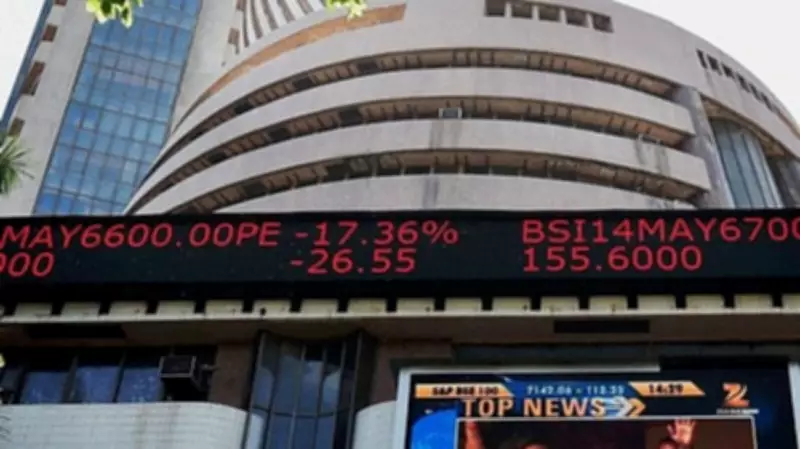
Indian stock markets witnessed a sharp decline on July 8, 2026, eroding investor wealth by a staggering Rs 8.96 lakh crore amid escalating geopolitical tensions over a potential war with Iran. The benchmark Sensex plummeted, with all 30 constituent stocks ending in the red.
Market rout across sectors
The sell-off was broad-based, with major losers including InterGlobe Aviation, Maruti Suzuki, Hindustan Unilever, Bajaj Finance, Kotak Mahindra Bank, and Mahindra & Mahindra. These stocks dragged the indices lower as fears of a conflict in West Asia rattled global markets.
Geopolitical fears drive volatility
According to analysts, the market crash was triggered by rising concerns over a possible military confrontation between Iran and its adversaries. The uncertainty led to a flight to safe-haven assets, with investors dumping equities across the board. The Sensex closed at its lowest level in months, reflecting the heightened risk aversion.

Impact on investor wealth
The total market capitalization of BSE-listed companies fell sharply, wiping out Rs 8.96 lakh crore in a single trading session. This is one of the largest single-day erosion of investor wealth in recent years. The decline was exacerbated by selling pressure from foreign institutional investors (FIIs) who pulled out funds amid the geopolitical uncertainty.
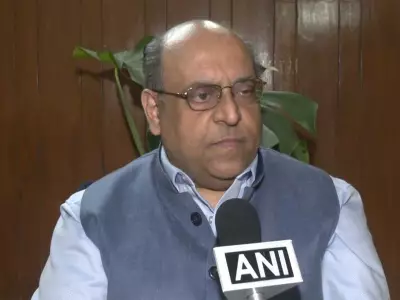
“The situation in West Asia is highly fluid, and markets are pricing in the worst-case scenario. Until there is clarity on diplomatic resolutions, volatility will persist,” said a market analyst.
Global markets also under pressure
Indian markets were not alone in the downturn. Asian and European markets also declined on similar fears, with oil prices spiking due to concerns over supply disruptions from the region. The rise in crude oil prices added to inflationary pressures, further dampening investor sentiment.
The rupee also weakened against the US dollar, adding to the woes for import-dependent sectors like aviation and oil marketing companies.
Outlook remains cautious
Market participants are now closely watching for any diplomatic developments that could de-escalate tensions. In the meantime, analysts advise investors to remain cautious and avoid speculative bets. The coming sessions are likely to see continued volatility until geopolitical risks subside.
“Investors should focus on quality stocks with strong fundamentals and avoid panic selling. The long-term outlook remains positive, but short-term turbulence is inevitable,” added the analyst.