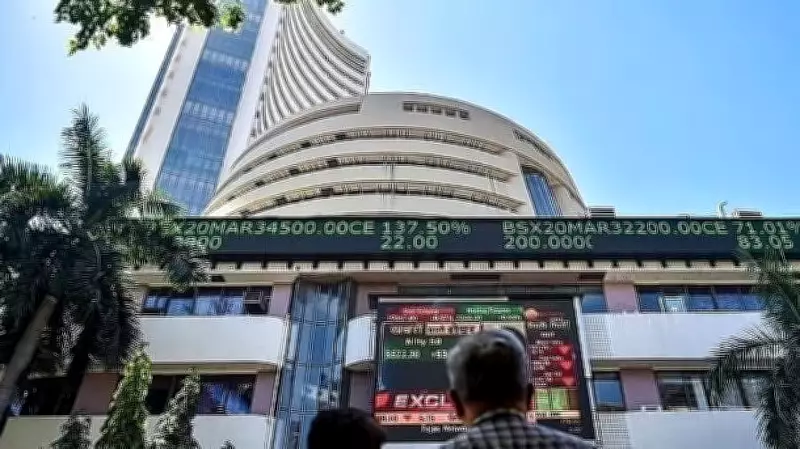
Indian equity markets rebounded sharply on Wednesday, June 24, 2026, driven by a decline in global crude oil prices. The BSE Sensex surged 790 points, while the NSE Nifty 50 climbed 197.55 points, or 0.83 per cent, to close at 24,021.65.
Market performance and key drivers
The rally was broad-based, with buying across sectors such as banking, auto, and energy. The softening of crude oil prices, which fell over 2 per cent in international markets, eased concerns about inflation and its impact on corporate margins. Analysts attributed the recovery to short-covering and value buying after recent losses.
According to market experts, the decline in crude oil prices provided a much-needed breather for the Indian economy, which imports about 85 per cent of its oil requirements. Lower oil prices reduce the import bill and help contain inflationary pressures.

Broader market and sectoral trends
The broader markets also performed well, with the BSE Midcap and Smallcap indices gaining 0.9 per cent and 1.1 per cent, respectively. Among sectoral indices, the Nifty Bank rose 1.2 per cent, while the Nifty Auto and Nifty Energy indices advanced 0.8 per cent and 1.5 per cent, respectively.
Top gainers on the Nifty included Reliance Industries, HDFC Bank, and Maruti Suzuki, which rose between 1.5 per cent and 2.3 per cent. On the losing side, IT stocks such as Infosys and TCS ended marginally lower, tracking weak global cues.
Global cues and outlook
Global markets were mixed, with Asian peers trading higher on hopes of easing monetary policy. However, European markets opened lower amid concerns over economic growth. The decline in crude oil prices was attributed to reports of higher-than-expected US inventories and concerns over demand slowdown.
According to a PTI report, the market rebound was also supported by fresh foreign fund inflows. Provisional data showed that foreign institutional investors (FIIs) bought equities worth Rs 1,200 crore on a net basis on Wednesday.
Analysts expect the market to remain volatile in the near term, with movements closely tied to crude oil prices and global economic data. The Reserve Bank of India's monetary policy stance will also be a key factor to watch.