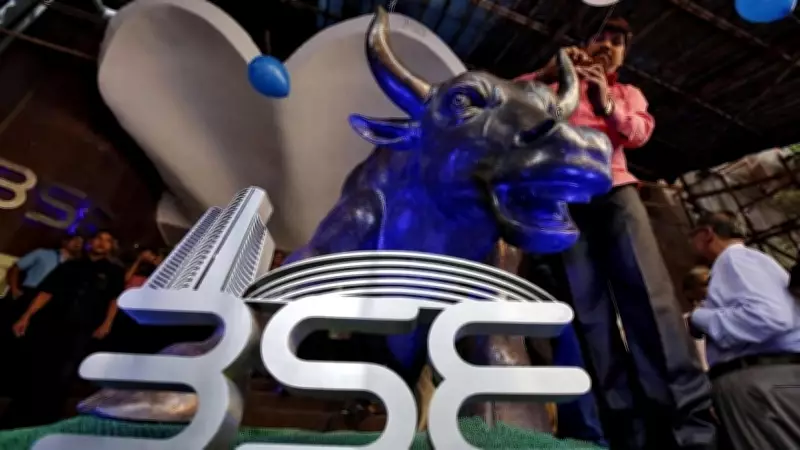
Indian Stock Markets Witness Sharp Decline Amid Global Turmoil
In a significant downturn, the Sensex and Nifty indices plunged over 1% on Thursday, March 6, 2026, as escalating tensions in the Middle East and surging crude oil prices rattled investor confidence. The benchmark BSE Sensex and NSE Nifty both recorded substantial losses, reflecting widespread market anxiety driven by geopolitical uncertainties and economic pressures.
Key Factors Driving the Market Sell-Off
The sharp decline was primarily attributed to the following factors:
- Middle East Conflict: Ongoing conflicts in the Middle East have heightened geopolitical risks, leading to fears of supply disruptions and increased volatility in global markets.
- Boiling Crude Oil Prices: Crude oil prices soared due to the conflict, putting pressure on India's import-dependent economy and raising concerns about inflation and corporate profitability.
- Weakness in US Equities: A subdued performance in US stock markets added to the negative sentiment, as global investors sought safer assets amid rising uncertainties.
- Subdued European Markets: European markets also showed a lackluster trend, contributing to the overall bearish outlook across international financial hubs.
- Relentless Foreign Fund Outflows: Persistent selling by foreign institutional investors (FIIs) further dampened market sentiments, exacerbating the downward pressure on Indian equities.
Impact on Investor Sentiment and Market Dynamics
The combination of these factors created a perfect storm for the Indian stock markets, leading to a broad-based sell-off across sectors. Investors turned cautious, with many opting to reduce their exposure to equities in favor of more stable assets. The decline was not isolated to a few stocks but was widespread, indicating deep-seated concerns about the near-term economic outlook.

Analysts note that the situation remains fluid, and any escalation in the Middle East could lead to further market volatility. They advise investors to monitor developments closely and consider diversified portfolios to mitigate risks. The ongoing foreign fund outflows highlight the global nature of the current financial stress, with capital moving away from emerging markets like India in search of safer havens.
Looking Ahead: Market Outlook and Strategies
As the markets navigate these challenging times, experts suggest that a resolution to the Middle East tensions and stabilization in oil prices could provide some relief. However, in the short term, volatility is expected to persist. Key strategies for investors include:
- Focusing on fundamentally strong companies with robust balance sheets.
- Maintaining a long-term perspective to ride out temporary market fluctuations.
- Staying informed about geopolitical developments and their potential economic impacts.
The recent downturn serves as a reminder of the interconnectedness of global markets and the importance of risk management in investment decisions. With the situation evolving, market participants will be watching for cues from international events and policy responses to gauge the future direction of Indian equities.