
India-US Trade Deal Sealed, Markets Soar 5%
Indian stock markets surged on Tuesday with Nifty 50 up 5% after India-US trade deal conclusion. Deal expected to attract foreign investors, boost export sectors, and stabilize rupee.

Indian stock markets surged on Tuesday with Nifty 50 up 5% after India-US trade deal conclusion. Deal expected to attract foreign investors, boost export sectors, and stabilize rupee.

Indian equity markets surged over 5% on Tuesday after the formal announcement of the India-US trade agreement, reversing losses from the Union Budget. Experts highlight renewed investor confidence and geopolitical stability.

Finance Minister Nirmala Sitharaman's Union Budget 2026-27 outlines a comprehensive plan to strengthen India's manufacturing ecosystem, emphasizing construction equipment, clean mobility, critical minerals, and rare earths.

Congress leader Partap Singh Bajwa criticizes Punjab's inadequate logistics and closed borders, arguing they undermine export potential under the India-EU Free Trade Agreement despite government assurances.
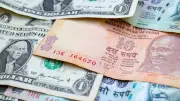
The Indian rupee strengthened significantly by 119 paise to close at 90.30 against the US dollar, driven by optimism surrounding a potential India-US trade deal and positive market sentiment.

State Bank of India chairman C S Setty calls the India-US trade agreement extremely positive for the economy. The deal lowers US tariffs on Indian goods to 18%, benefiting exporters in textiles, shrimps, and other sectors.

Greater Bengaluru Authority warns business owners of 100% penalty for late trade licence renewal from April 1, 2026. Renew by February 28 to avoid fines, with 25% penalty in March.

Gold and silver prices have rebounded sharply after a recent crash, with analysts examining sustainability amid global economic shifts and central bank purchases.

US President Donald Trump announces tariff reduction from 25% to 18% on Indian goods after call with PM Modi. Trump claims India will stop buying Russian oil and purchase more American goods, though Indian officials haven't confirmed these details.

India's credit-deposit ratio reached 81.75% by end-2025, the highest since 2000-01. While indicating efficient fund deployment, it raises questions about banking system stability amid shifting savings patterns.

Gold prices in India declined on February 3, 2026, with 24-carat gold at ₹15,175 per gram. Check city-wise rates for Chennai, Mumbai, Delhi, Kolkata, Bangalore, Hyderabad and other major cities.

Indian ADRs surged up to 6.75% on Wall Street after US slashed tariffs on India from 50% to 18%. Sensex and Nifty expected to rally as trade tensions ease between the two nations.

Zerodha users reported technical glitches and login issues on the trading app during a significant market rally triggered by the India-US trade deal announcement, raising concerns about platform reliability.

Purchasing a home involves more than just the listed price. Discover the often-overlooked hidden costs like stamp duty, maintenance charges, and interior work that can impact your budget significantly.

NABARD has announced 162 vacancies for Development Assistant posts. Online applications close on February 3, 2026. Check eligibility, application process, and exam dates.

A new India-US trade agreement is set to enhance Indian rice exports by restoring competitiveness parity with Thailand and Pakistan, potentially boosting agricultural trade.

India and the United States have finalized a major trade agreement after nearly a year of negotiations. The deal reduces US tariffs on Indian goods from 50% to 18%, signaling strengthened bilateral relations and economic cooperation.

Shares of major Indian textile companies like Kitex, Trident, and KPR Mill soared up to 20% following reports of a potential trade deal between India and the US, boosting investor sentiment in the sector.

Gold and silver rates in India on February 3, 2026, show a decline in Chennai, with MCX and COMEX prices reflecting global market trends. Analysis of current rates and factors influencing precious metals.
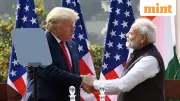
India and the United States have agreed on a landmark trade deal, with President Trump announcing reduced tariffs and PM Modi confirming the 18% rate while welcoming the pact.

Economist Rathin Roy critiques India's 2026-27 budget for lacking a coherent narrative to address stagnant wages, weak employment, and muted prosperity despite satisfactory GDP growth and inflation numbers.

Kolkata experts welcome Union Budget's MSME measures like Rs 10,000 crore SME Growth Fund and Corporate Mitras initiative, but stress effective rollout and more support needed for Bengal's 90-lakh MSMEs.

Singapore-based Maersk's Managing Director Rene Piil Pedersen met Uttar Pradesh Chief Minister Yogi Adityanath in Lucknow to discuss expanding investments in the state's logistics and infrastructure sectors.
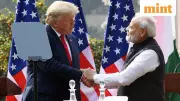
India and the US concluded a trade deal after nearly a year of negotiations, reducing reciprocal tariffs from 25% to 18%. PM Modi thanked President Trump, highlighting benefits for 1.4 billion Indians.

IT firm Zensar Technologies is negotiating to buy an 18-20% stake from Mastek promoters in a deal worth $200-400 million, potentially paving the way for a merger to create a $1 billion revenue entity.
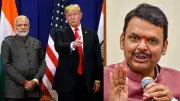
Maharashtra Chief Minister Devendra Fadnavis has welcomed the Indo-US trade deal, calling it a true victory for friendship and a significant boost for economic ties between the two nations.

Indian stock markets witnessed a historic rally on February 3, 2026, with Sensex surging over 4,200 points and Nifty climbing 5% after India-US trade deal announcement boosted investor confidence.

The National Fibre Scheme announced in the Union Budget aims to promote self-reliance in natural fibres like jute, potentially reviving Kolkata's struggling jute industry with 88 mills.

Indian stock markets surged over 4.5% after US President Donald Trump announced a trade deal cutting tariffs on Indian imports from 50% to 18%, boosting investor sentiment and reversing post-Budget losses.

The India-US trade agreement aims to accelerate semiconductor manufacturing, potentially generating over $100 billion in electronics trade and supporting a $500 billion bilateral trade vision.