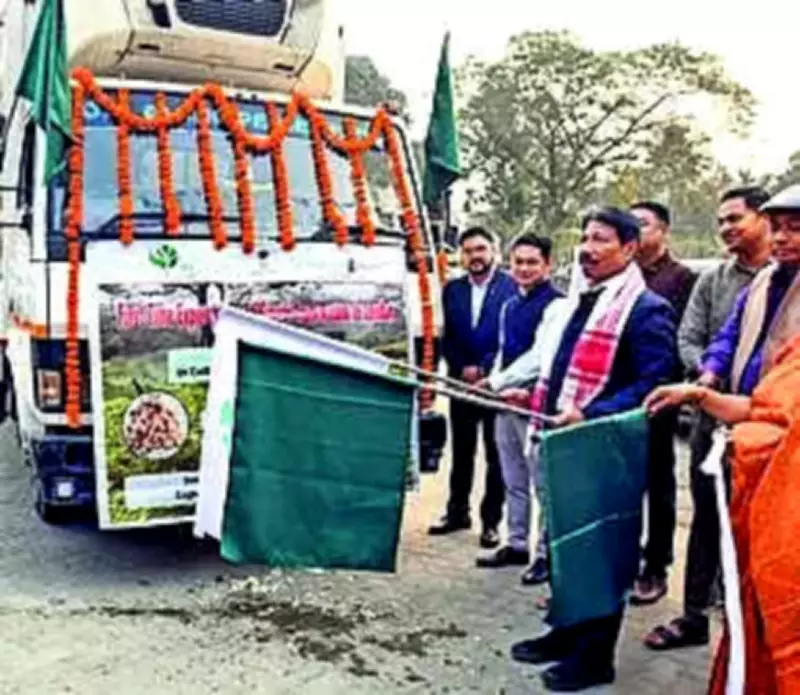
Assam's GI-Certified Ginger Makes Historic Entry into London Market
In a landmark achievement for Assam's agricultural sector, the state's Geographical Indication (GI)-certified fresh ginger from Karbi Anglong has successfully entered the London market. This pioneering export initiative represents a significant step forward in promoting India's premium agricultural products on the global stage.
APEDA Facilitates First Export Consignment to United Kingdom
The Agricultural and Processed Food Products Export Development Authority (APEDA), operating under the Ministry of Commerce and Industry, collaborated with the Assam agriculture department to facilitate the inaugural export shipment. On Monday, the first consignment of 1.2 metric tons of GI-tagged Karbi Anglong ginger embarked on its journey from Assam to London, establishing direct market linkages between local producer groups and international buyers.
This strategic move aligns with APEDA's broader mission to enhance India's agricultural exports by promoting GI-certified products that showcase unique regional characteristics and superior quality standards.

Historical Significance for Assam's Farming Community
Assam Agriculture Minister Atul Bora emphasized the transformative nature of this development, stating, "There was a time when farmers of Assam could not imagine that their produce would go to foreign markets. But time has changed." He later celebrated this achievement on social media platform X, describing the ginger's international market debut as "a proud and historic moment for Assam's agricultural sector."
Minister Bora further credited the state government's commitment under Chief Minister Dr. Himanta Biswa Sarma, noting, "Under the dynamic leadership of Hon'ble CM Dr. @himantabiswa, Assam continues to expand its agricultural footprint in international markets. This milestone reflects our government's commitment to strengthening farmers' income, enhancing value addition, and building strong global market linkages for Assam's GI-tagged products."
Assam's Ginger Production and Distinctive Qualities
Assam ranks among India's principal ginger-producing states, with approximately 20,000 hectares dedicated to ginger cultivation. The state generates an impressive annual production ranging between 150,000 to 200,000 metric tons, supported by favorable agro-climatic conditions that contribute to the crop's exceptional quality.
According to APEDA officials, Assam's ginger has gained international recognition for its distinctive aromatic profile, optimal fibre content, and pronounced pungency. These unique characteristics have positioned it as a premium product in global markets, appealing to discerning consumers and culinary professionals alike.
Geographical Indication Recognition and Production Districts
Karbi Anglong ginger received its prestigious Geographical Indication tag in 2015, formally recognizing its unique qualities tied to the specific geographical region of production. This certification protects the product's identity and ensures that only ginger grown in the designated area can be marketed under this distinguished label.
The major ginger-producing districts in Assam include:
- Karbi Anglong
- Dima Hasao
- Sonitpur
- Tinsukia
- Golaghat
- Nagaon
- Jorhat
Building on Previous Export Successes
This London-bound shipment builds upon APEDA's earlier support for ginger exports from Assam, which previously facilitated the export of 26 metric tons of ginger. Government officials emphasize that this inaugural consignment to London demonstrates Assam's capacity to meet stringent international quality standards while simultaneously increasing the visibility of Assam ginger in other potential markets.
The successful export of GI-tagged Karbi Anglong ginger to London represents more than just a commercial transaction—it symbolizes the growing global appreciation for India's regional agricultural specialties and the potential for economic empowerment of farming communities through strategic market access initiatives.