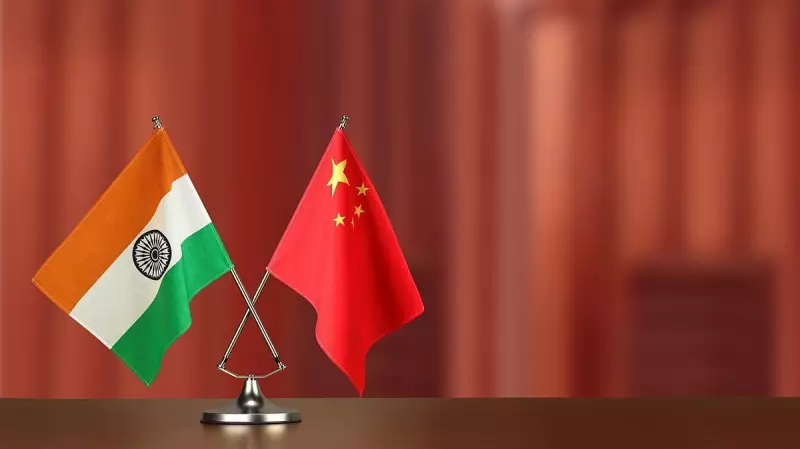
In a significant escalation of trade tensions, China has formally lodged a complaint against India at the World Trade Organization (WTO). The dispute centers on New Delhi's stringent import measures affecting two critical sectors: solar power equipment and information technology (IT) hardware. This legal move challenges policies that India argues are essential for its national security and ambitious renewable energy goals.
The Core of China's WTO Challenge
The Chinese mission to the WTO submitted its formal request for consultations on April 2, 2024. This action marks the first step in the global trade body's dispute settlement process. Beijing is contesting a series of Indian regulations that it claims unfairly restrict imports from China, creating barriers to free trade.
At the heart of the complaint are India's measures concerning solar cells and modules. For years, India has implemented policies like the Approved List of Models and Manufacturers (ALMM) order and has extended safeguard duties to protect its domestic solar manufacturing industry. These steps are part of a broader strategy to reduce dependence on foreign imports, predominantly from China, and to boost local production under initiatives like the Production Linked Incentive (PLI) scheme.

Simultaneously, China is challenging India's recent import licensing regime for IT hardware products, including laptops, tablets, and servers. In August 2023, India announced a new policy requiring importers of these items to obtain a valid license. While the government later revised the plan to a more streamlined "import management system," the intent to monitor and potentially curb shipments, especially from China, remains clear. New Delhi cites security concerns over hardware containing malicious software and the need to promote domestic manufacturing as key reasons for these controls.
India's Strategic Rationale and Legal Standpoint
India is expected to defend its policies vigorously at the WTO. Officials have consistently framed these measures as crucial for national security and public interest. In the realm of IT hardware, the government emphasizes the threat of cyber-espionage and data breaches from compromised devices. For the solar sector, the argument pivots on energy security and the strategic necessity of building a self-reliant green technology supply chain, a goal encapsulated in the 'Atmanirbhar Bharat' (Self-Reliant India) campaign.
From a legal perspective, India may invoke the WTO's security exceptions clause. This provision allows member countries to take actions they consider necessary for the protection of their essential security interests. However, the interpretation and application of this clause are contentious and have been the subject of other high-profile disputes at the global trade forum.
Broader Implications for Bilateral Trade and Global Supply Chains
This dispute is not an isolated event but a symptom of deepening economic friction between the two neighbors. China is a major supplier to India in both contested sectors. The solar industry has been particularly reliant on cheaper Chinese imports, while Chinese brands dominate significant portions of India's consumer electronics market.
The outcome of this WTO case could have far-reaching consequences. A ruling against India might force it to roll back or modify its policies, potentially impacting its domestic manufacturing plans. Conversely, a decision in India's favor would bolster its right to implement such trade-defense and security-oriented measures. The process itself is likely to be protracted, involving consultations, panel formation, rulings, and possible appeals, especially given the current paralysis in the WTO's Appellate Body.
For global businesses and supply chains, this dispute highlights the growing trend of geopolitical tensions influencing trade rules. Nations are increasingly using trade policy as a tool for strategic industrial development and national security, leading to more frequent clashes within the multilateral trading system established by the WTO.

As the consultation process begins, all eyes will be on Geneva. The dispute underscores the delicate balance between a nation's right to pursue its strategic industrial and security objectives and its commitments to the rules-based global trading order. The resolution, whatever it may be, will set an important precedent for how similar conflicts between economic ambition and trade rules are navigated in the future.