

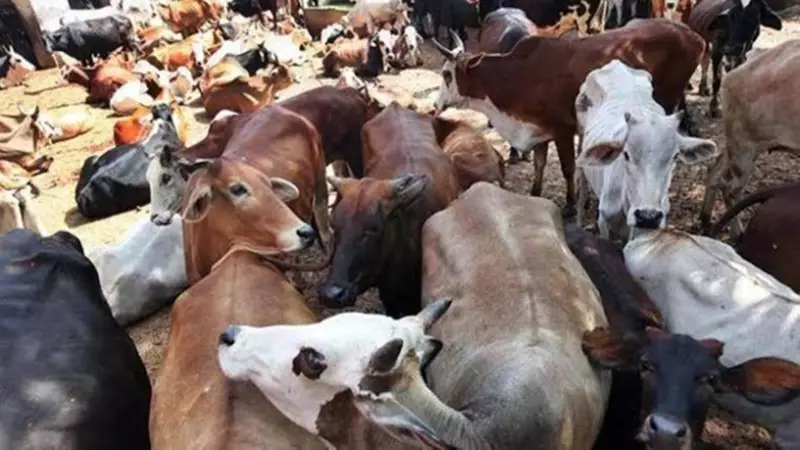
In a significant boost to dairy farming, the Gujarat government has reported a remarkable 94% success rate in the birth of female calves through the use of advanced Sex-Sorted Semen Technology (SST). This initiative, aimed at enhancing milk production and improving farmer livelihoods, has seen a dramatic five-fold increase in artificial insemination procedures within the state.
A Technological Leap in Animal Husbandry
The animal husbandry department of Gujarat first rolled out artificial insemination using sex-sorted semen in the financial year 2022-23. Prior to this technological intervention, conventional artificial insemination using frozen semen resulted in a roughly equal split, with 50% male and 50% female calves being born. The new SST method has fundamentally shifted this ratio, now ensuring that 85 to 90% of inseminated animals give birth to female offspring, with the overall success rate peaking at an impressive 94% over the last four years.
An official government release highlighted the transformative impact, stating that the implementation of this technology has proven highly effective for the state's dairy sector. The primary goal is to systematically increase milk production, as female calves are the future milk-producing cows and buffaloes.

Subsidised Success and Soaring Adoption
A key driver behind the rapid adoption of this technology has been a substantial reduction in cost for farmers. Initially, the government charged Rs 300 for a single dose of sex-sorted semen. In a strategic move to encourage widespread use, the fee was slashed by Rs 250 in 2024, bringing the cost down to just Rs 50 per dose.
This affordability has led to a massive surge in its application. The numbers tell a compelling story:
- In 2022-23 and 2023-24, a total of 25,746 and 25,620 animals were inseminated with SST, respectively.
- The figure skyrocketed to 1,30,925 animals in 2024-25.
- In the current financial year up to October, over 1,00,178 animals have already received the dose.
- The government has set a target of administering SST to one lakh animals in 2025.
The government release explicitly linked the fee reduction to the significant increase in artificial insemination through sex-sorted semen, calling the 94% female birth rate a "living example of the efficiency" of the technology.
Broader Benefits and Future Plans
The benefits of SST extend beyond just increasing milk yields. The government outlines a multi-faceted positive impact:
Firstly, a higher proportion of female births naturally leads to fewer male calves. This is expected to reduce incidents of illegal animal slaughter and help control the population of stray animals.
Secondly, dairy farmers can expect a rise in income through two channels: selling the additional female calves and the increased milk production from a larger herd of productive animals in a shorter timeframe.
Thirdly, the systematic use of high-quality, sex-sorted semen contributes to the genetic improvement of the cattle breed over time.
Looking ahead, the central government's Rashtriya Gokul Mission has approved a major project worth Rs 47.50 crore to establish a dedicated sex-sorted semen production facility at the Frozen Semen Station in Patan, Gujarat. This facility is poised to ensure an adequate and affordable supply of sex-sorted semen doses for cattle rearers across the state, securing the long-term sustainability of this successful programme.






