

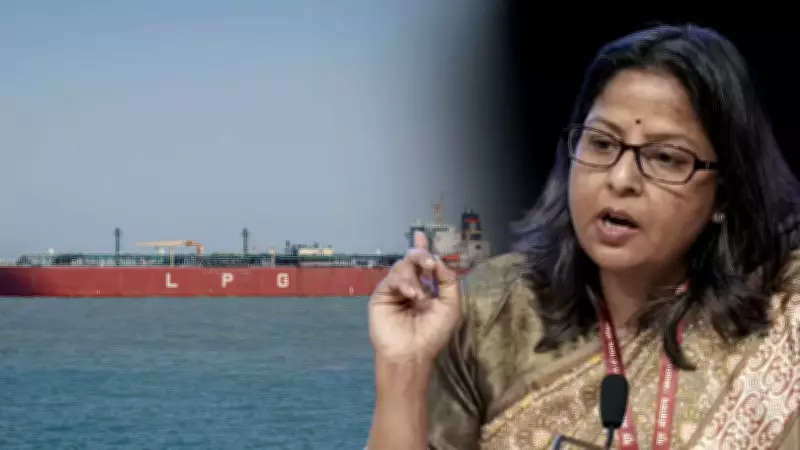
India Diverts China-Bound LPG Tanker From Iran Amid Hormuz Crisis
In a significant shift in energy strategy, India has purchased liquefied petroleum gas (LPG) from Iran for the first time since 2019, driven by escalating disruptions in the Strait of Hormuz. This move highlights the country's urgent response to a severe supply crunch, with a tanker originally destined for China being diverted to India, underscoring the volatility in global energy supply chains.
Geopolitical Tensions Force Strategic Pivot
The decision to tap Iranian LPG comes under a temporary sanctions waiver, allowing India to act within a limited timeframe without breaching international restrictions. This cautious re-entry into Iranian energy markets signals a pragmatic shift, where flexibility and survival are paramount in a complex geopolitical landscape shaped by conflict and uncertainty. As shipments from traditional suppliers face delays, India is balancing multiple options to secure its energy needs.
Domestic Demand and Supply Challenges
With domestic LPG demand surging and imports covering a major share of consumption, India is grappling with a severe supply crunch. Authorities have already cut industrial allocations to protect household fuel needs, prioritizing essential consumption over commercial use. This situation is exacerbated by the ongoing crisis in the Strait of Hormuz, a critical chokepoint for global energy shipments, which has forced India to explore alternative sources.

- First purchase of Iranian LPG since 2019, facilitated by a temporary sanctions waiver.
- Diversion of a tanker from China to India, highlighting supply chain volatility.
- Increased reliance on imports amid surging domestic demand and supply disruptions.
- Exploration of multiple options, including boosted Russian imports, to mitigate risks.
Broader Implications for Global Energy Markets
This move by India reflects broader trends in global energy security, where nations are increasingly forced to adapt to geopolitical shocks. The diversion of the China-bound tanker not only underscores the immediate pressures but also points to a longer-term realignment in energy trade routes. As India navigates these challenges, its actions could influence other countries facing similar dilemmas, potentially reshaping alliances and supply dynamics in the volatile energy sector.






