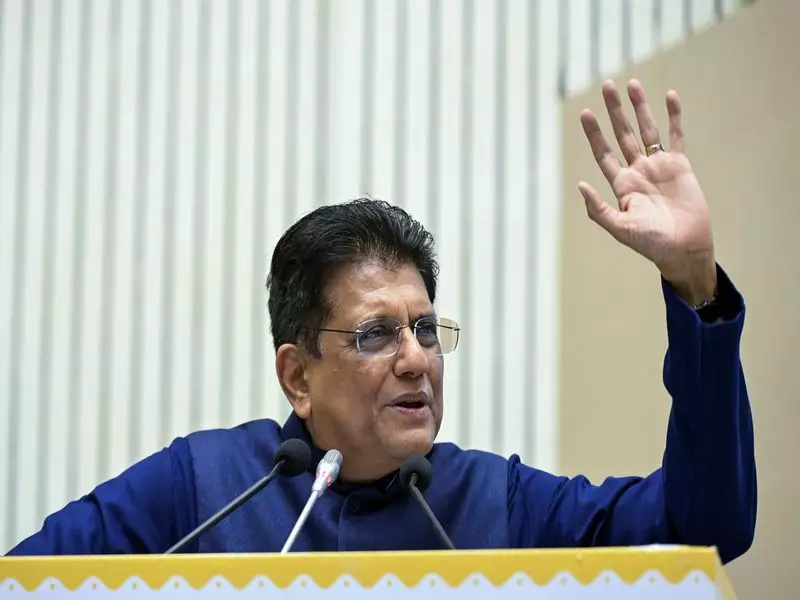
India's Commerce and Industry Minister, Piyush Goyal, has wrapped up a significant two-day visit to Brussels, marking a crucial push to accelerate negotiations for the long-pending India-European Union Free Trade Agreement (FTA). The high-level discussions, held from April 18th to 19th, aimed at injecting fresh momentum into the trade pact talks, which are seen as vital for boosting economic ties between the two major global partners.
High-Level Engagements to Break the Logjam
During his visit, Minister Goyal held extensive meetings with key European counterparts. A primary interaction was with European Commission Executive Vice-President and Trade Commissioner, Valdis Dombrovskis. Their talks centered on addressing the remaining bottlenecks in the FTA negotiations. Both sides emphasized a shared commitment to concluding a balanced, ambitious, and mutually beneficial agreement at the earliest possible opportunity.
Goyal also met with Belgian Deputy Prime Minister and Minister of Foreign Affairs, Hadja Lahbib. Given Belgium's current presidency of the Council of the European Union, this dialogue was strategically important for aligning political will. Furthermore, the Minister engaged with the Director-General for Trade of the European Commission, Denis Redonnet, diving into the technical specifics and legal texts of the proposed pact.

Core Issues on the Negotiating Table
The discussions in Brussels tackled the complex chapters that have historically slowed progress. A major focus was on achieving a fair deal regarding market access for goods, services, and government procurement. Indian negotiators are keen to secure better opportunities for skilled professionals in sectors like IT, healthcare, and engineering to work in the EU market.
Another critical area was sustainable development. The EU's emphasis on environmental and labor standards within trade deals was a key part of the conversation. India highlighted its own commitments in these areas while seeking flexibility that considers its developmental context. Resolving issues related to intellectual property rights (IPR) and data security also featured prominently in the talks, reflecting the modern digital economy's demands.
The Strategic Importance and Road Ahead
The push for the India-EU FTA comes at a time when both economies are looking to diversify supply chains and build resilient trade partnerships. The agreement has the potential to significantly boost bilateral trade and investment flows. The Brussels visit served as a political catalyst, moving the discussions from technical corridors to a higher level of strategic engagement.
The next steps involve intensified negotiations at the official level, with teams from both sides expected to meet more frequently to iron out differences. The political goodwill generated by Minister Goyal's visit is expected to translate into more flexible and solution-oriented talks in the coming months. While a definitive timeline was not announced, the clear message from Brussels is that both India and the EU are now seriously committed to crossing the finish line on this landmark trade deal.