

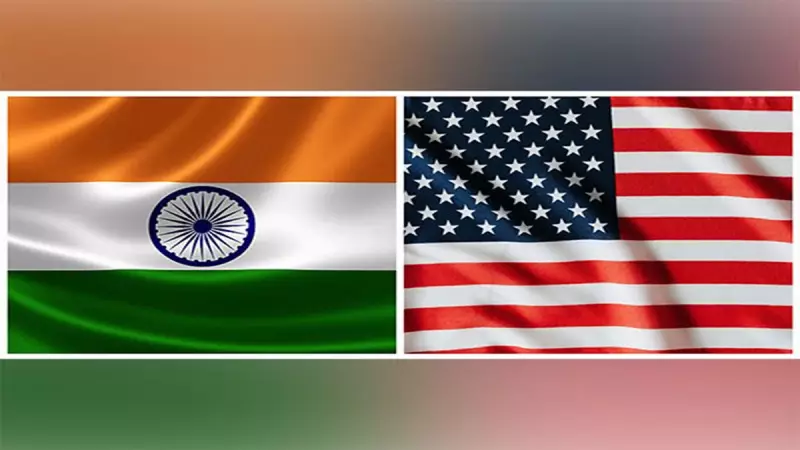
India and the United States are poised to embark on a significant new chapter in their economic relationship, with crucial negotiations for the first phase of a fresh trade pact scheduled to commence on December 10, 2025. This development marks a concerted effort by both major economies to resolve long-standing trade issues and forge a more robust bilateral partnership.
Setting the Stage for Negotiations
The upcoming talks, set to begin in the week of December 10, will focus on establishing the foundational framework for what is envisioned as a multi-phase trade agreement. Official sources have confirmed that delegations from both nations will engage in detailed discussions aimed at addressing specific market access barriers and streamlining trade flows. The dialogue is expected to build upon previous conversations and shared commitments made at the highest political levels.
The primary objective of this initial phase is to create a balanced and mutually beneficial package that can deliver tangible economic gains for businesses and consumers in both countries. Indian officials have emphasized that the approach will be pragmatic, focusing on areas where convergence is achievable before moving to more complex subjects in subsequent phases.

Key Focus Areas and Strategic Importance
The negotiations are anticipated to cover a range of critical topics. A central focus will be on enhancing market access for key Indian exports to the US market, including products from sectors like agriculture, textiles, and engineering goods. Conversely, American companies are seeking greater access to India's growing markets, particularly in areas like medical devices, dairy products, and certain technology services.
Another significant point of discussion will be the reduction or elimination of tariff barriers on selected goods. Both sides have historically expressed concerns about each other's tariff structures, and finding a middle ground will be crucial for the pact's success. The talks also aim to simplify trade procedures and address non-tariff barriers that often impede smoother commerce, such as differing standards and certification processes.
This renewed push for a trade agreement underscores the strategic importance both nations place on their economic partnership. In an era of shifting global supply chains and geopolitical realignments, a stronger trade bond between the world's largest democracy and its most powerful economy is seen as vital for stability and growth. The pact is viewed not just as a commercial arrangement but as a cornerstone of the broader comprehensive global strategic partnership.
Path Forward and Broader Implications
The December talks represent a formal restart of structured trade negotiations, which have seen periods of engagement and pause over recent years. Success in this first phase is considered essential to build momentum and trust for tackling more sensitive issues in later stages. These could include intellectual property rights, digital trade, and sustainable development clauses.
For India, a successful limited trade pact with the US would provide a significant boost to its export-oriented sectors and reinforce its position as an attractive destination for investment. For the United States, it offers a pathway to deeper economic integration with a key Indo-Pacific partner and a large consumer market. The outcome of the December 10 talks will be closely watched by industry bodies and policymakers globally, as it will signal the potential for deeper economic collaboration between these two major democracies.
As both teams prepare for the negotiations, the business communities in India and the US have expressed optimism, urging negotiators to adopt a flexible and forward-looking approach. The coming weeks will be critical in determining whether the two nations can translate their political goodwill into a concrete and impactful economic agreement.






