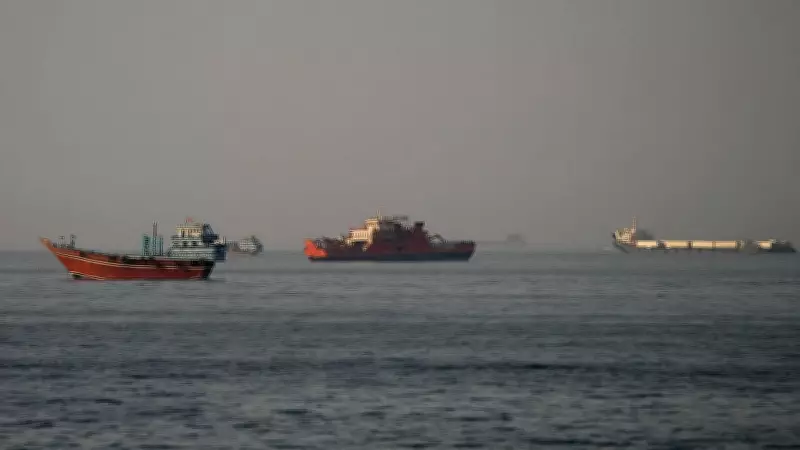
The reopening of the Strait of Hormuz is set to alleviate oil supply risks for India, according to reports. This narrow waterway, located between Iran and Oman, handles approximately one-fifth of global oil consumption. It serves as the primary export route for major Gulf producers such as Saudi Arabia, Iraq, Kuwait, the United Arab Emirates, and Qatar, all of which are key energy suppliers to India.
Strategic Importance of the Strait
The Strait of Hormuz is a critical chokepoint for global energy markets. Its reopening is expected to stabilize oil flows and reduce uncertainties that had previously threatened India's energy security. India relies heavily on imports from Gulf nations to meet its domestic energy demands.
Impact on India
For India, the reopening means reduced risks of supply disruptions and potential price volatility. The move is likely to bolster confidence among Indian refiners and policymakers, ensuring a steady flow of crude oil and petroleum products. This development comes as a relief after periods of heightened tension in the region.

Industry experts note that the reopening will also benefit global oil markets by easing supply constraints. The Strait's strategic location makes it indispensable for international trade, particularly for energy-dependent economies like India.