The Central Bureau of Investigation (CBI) has arrested Manisha Havaldar, an expert appointed by the National Testing Agency (NTA) from Pune, for her alleged involvement in leaking physics questions of the NEET UG 2026 examination. The arrest has sent shockwaves through the education sector, raising serious concerns about the integrity of the country's premier medical entrance test.
Details of the Arrest
According to sources, Havaldar was taken into custody after a thorough investigation revealed her role in the leak. She is believed to have shared the physics question paper with a network of individuals who then distributed it to candidates for a hefty sum. The CBI has been probing the case since the leak came to light earlier this month, which led to widespread protests from students and parents demanding a re-examination.
How the Leak Operated
Investigations suggest that the leak was orchestrated through a sophisticated chain of communication. Havaldar, who had access to the question paper as part of her role in question paper preparation, allegedly passed the physics section to intermediaries. These intermediaries then used encrypted messaging apps to sell the questions to aspirants across multiple states. The CBI has recovered digital evidence, including chat logs and financial transactions, linking Havaldar to the operation.

The arrest marks a significant breakthrough in the case, which has been under scrutiny since students reported discrepancies in the exam pattern. The NTA, which conducts the NEET UG, has faced mounting criticism for failing to secure the examination process. In response, the agency has announced a high-level inquiry and promised to implement stricter protocols for future exams.
Impact on Students and Future Exams
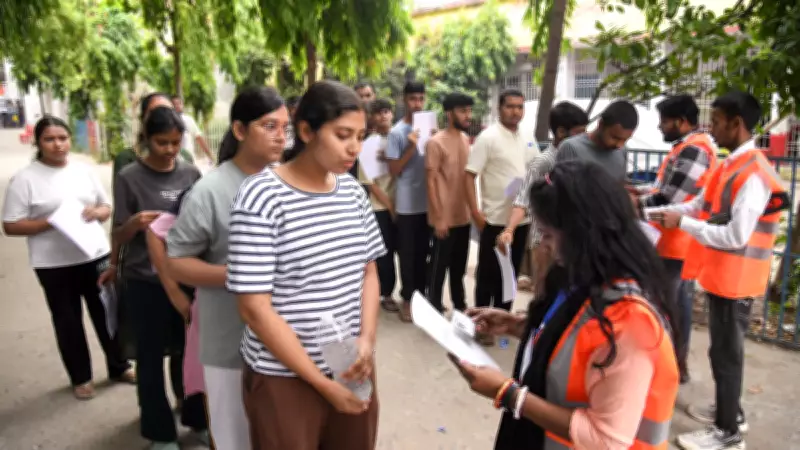
The leak has caused immense distress among the nearly 2 million students who appeared for the NEET UG 2026. Many have called for the cancellation of the exam and a fresh test to ensure fairness. However, the NTA has stated that it is reviewing the situation and will make a decision based on the CBI's findings. Meanwhile, the government has assured that those found guilty will face severe punishment under the new anti-cheating laws.
This incident has also reignited debates about the security of high-stakes examinations in India. Experts argue that the NTA needs to adopt advanced encryption and biometric verification to prevent such breaches in the future. The CBI continues to investigate other potential accomplices, and more arrests are expected in the coming days.