India's examination system, a multi-billion rupee economy, consistently shifts the cost of institutional failures onto students. From server crashes during JEE Main to last-minute centre changes and opaque normalisation formulas, students bear the brunt of systemic inefficiencies.
The Recurring Pattern of Exam Glitches
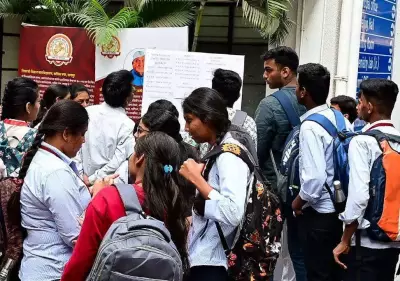
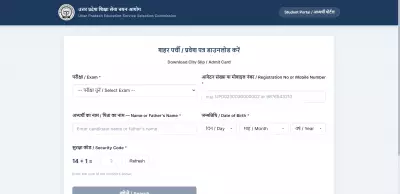
Every year, major entrance exams like JEE Main, NEET, and other competitive tests face technical and logistical issues. Server crashes during online exams, admit card errors, and sudden changes in exam centres have become routine. These disruptions cause immense stress and financial loss for students, who often travel long distances or take time off work to appear for these exams.
Opaque Normalisation Formulas
One of the most criticised aspects is the score normalisation process. The formula used to adjust scores across different shifts is rarely explained transparently. Students and parents are left confused about how final ranks are calculated, leading to mistrust and numerous court cases.

Financial Burden on Families
The cost of preparing for these exams is already high, with tuition fees, study materials, and coaching centre expenses. When exams are cancelled or rescheduled, students lose money on travel, accommodation, and additional preparation. For low-income families, this burden is crippling.
Lack of Accountability
Exam conducting bodies often escape accountability. Despite repeated failures, there are no penalties or reforms. The same issues recur year after year. Students are expected to adapt, while institutions remain unchanged.
Need for Systemic Change
To fix this, India needs a transparent, tech-resilient exam system with clear communication and a redressal mechanism. Until then, students will continue to pay for institutional failures.