Children today are not struggling to learn; they are struggling to stay engaged. In recent years, a noticeable shift has occurred in how parents perceive early education. The focus is moving away from memorization and structured outcomes toward understanding how children truly interact with learning.
Real-World Learning at Home
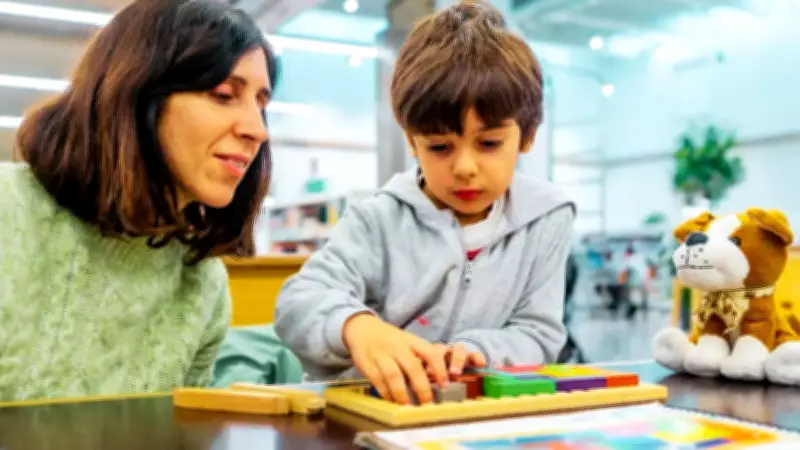
Learning no longer means sitting at a desk with worksheets. Instead, it often involves measuring ingredients while baking a cake, questioning why dough rises, or building a cardboard city to explore how bridges stay upright. These real, physical, and sometimes messy experiences are becoming the norm.
Why This Change Matters
This transformation did not happen by accident. Today's children grow up in highly stimulating environments filled with digital screens, fast content cycles, and constant sensory input. In such a world, traditional instruction often fails to hold attention. Parents recognize this not as a child's failure but as a mismatch of methods.

Nitika Dial, Co-Founder of Taabur X WonderLab, emphasizes the growing importance of experiential learning and explains why parents should embrace it.
Active Participation Over Passive Learning
Experience-based learning replaces passive absorption with active involvement. Instead of merely reading about a scientific concept, children learn by mixing colors, observing reactions, or conducting simple experiments at home. A geography lesson becomes a walk outdoors to observe landscapes, directions, and distances. Children learn by doing, not just by being told.
Building Essential Life Skills
This shift reflects changing expectations. Parents now understand that early education is not solely about school readiness but also about cultivating skills like curiosity, communication, problem-solving, and confidence. These abilities develop through interaction and exploration, not repetition alone.
A Balanced Approach to Modern Parenting
Modern parenting styles are shaping this direction. With tighter schedules and increased screen time, many families strive for greater balance. They consciously replace one hour of passive screen time with building blocks, storytelling games, or simple DIY projects. Everyday activities are reimagined: a grocery trip becomes a counting game, the kitchen transforms into a measurement and observation lab, and a park visit turns into a lesson in nature and movement. Learning is no longer confined to study time but integrated into daily life.
Redefining Success
Another significant change is how success is defined. The focus is shifting from what a child has memorized to how a child thinks. The question evolves from "Did you get the right answer?" to "How did you figure it out?"
Experience-led learning does not replace traditional education; it complements it by adding depth through context and participation. It makes classroom lessons more real, relatable, and memorable.
The Power of Play and Flexibility
The flexibility of this approach is its greatest strength. It does not impose a single learning style. A child can understand concepts through drawing, building, talking, or experimenting. The path is open-ended, yet the learning remains purposeful.
As this method gains traction, learning environments are evolving. There is a clear shift from content-heavy formats to experience-based ecosystems where engagement matters more than instruction, and curiosity is seen as a beginning, not an end.
Ultimately, this change rests on a simple truth: children learn best not when they are told what to know, but when they experience it themselves. The lessons that endure are often those learned through real-life experiences.
About the Author
This article is from the TOI Lifestyle Desk, a team of dedicated journalists committed to providing vibrant lifestyle news for The Times of India readers. We curate content on fashion, travel, food, wellness, and more, offering daily inspiration and information for an enriching lifestyle experience.