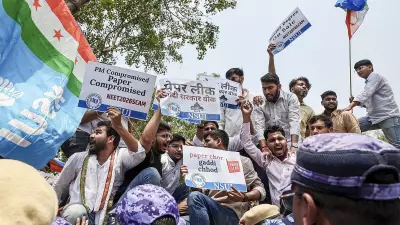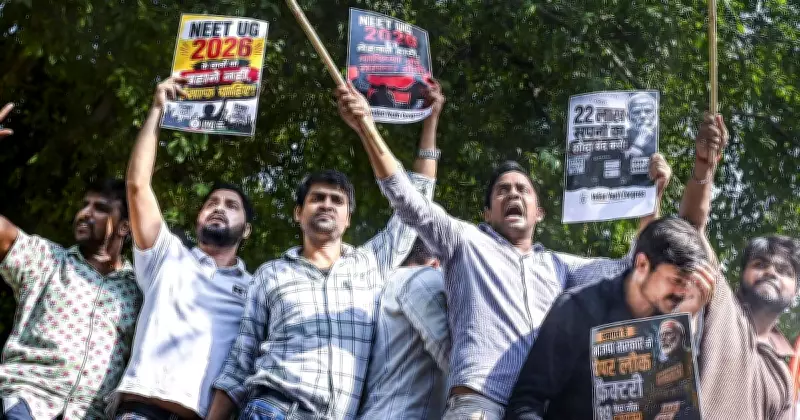
The National Eligibility cum Entrance Test (NEET) paper leak has sent shockwaves through the education sector in India, with investigations uncovering a sophisticated network that sold exam papers for lakhs of rupees. The racket, which operated across cities including Nashik in Maharashtra and Sikar in Rajasthan, has led to the arrest of multiple individuals.
How the Scam Unfolded
According to sources, the leaked paper was shared through encrypted messaging apps and sold to students and coaching centers for sums ranging from ₹5 lakh to ₹15 lakh. The modus operandi involved insiders within the examination system who accessed the paper before the scheduled test date. The paper was then circulated among a select group of candidates, primarily those from affluent families who could afford the hefty price.
Key Suspects and Arrests
The Central Bureau of Investigation (CBI) and local police have arrested at least 10 individuals in connection with the leak. Among them are employees of the testing agency, middlemen, and coaching center owners. The investigation has also revealed that the leak was not limited to one city but had a wide geographical reach, with links to multiple states.

Impact on Students
The leak has caused immense distress among honest candidates who appeared for the exam. Many have demanded a re-test, while others are calling for stricter security measures. The National Testing Agency (NTA) has stated that it is reviewing the situation and may consider conducting a fresh exam for affected candidates.
Government Response
The Ministry of Education has termed the leak a serious breach of trust and has vowed to take strict action. A high-level committee has been formed to investigate the matter and recommend reforms to prevent future incidents. The government is also considering the use of advanced technology, such as blockchain, to secure exam papers.
Broader Implications
This incident highlights the systemic issues in India's examination system, where high-stakes tests like NEET create a fertile ground for fraud. It also underscores the need for a more transparent and secure process to ensure meritocracy. As the investigation continues, more arrests are expected, and the full extent of the network may soon come to light.