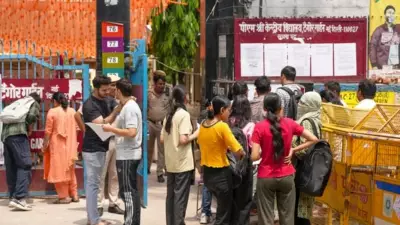
The controversy surrounding the NEET-UG paper leak has escalated as a parliamentary panel summoned and questioned top officials of the National Testing Agency (NTA). The panel sought detailed explanations regarding the security lapses that led to the leak of the examination paper, which has caused widespread concern among students and parents across the country.
CBI Investigation Uncovers Organised Syndicate
The Central Bureau of Investigation (CBI), which is leading the probe, has identified an organised syndicate responsible for the leak. According to sources, the syndicate operated through a network of intermediaries who accessed the paper before the exam. The agency has arrested ten individuals in connection with the case, with operations spanning multiple cities, including Delhi, Jaipur, Gurugram, Pune, Latur, and Ahmednagar. The arrests include both the alleged masterminds and those who facilitated the distribution of the leaked paper.
Parliamentary Panel's Scrutiny
The parliamentary committee, which oversees education and examination-related matters, grilled the NTA officials over their failure to prevent the leak. Members of the panel raised pointed questions about the security protocols in place during the printing, transportation, and storage of the question papers. The NTA officials admitted to procedural gaps and assured the panel of stricter measures in future examinations. The panel has demanded a comprehensive report within a fortnight, detailing the corrective actions taken.

Impact on Students and Future Exams
The leak has thrown the medical entrance examination process into disarray. Thousands of students who appeared for the NEET-UG are now uncertain about the validity of their scores. The NTA has announced that a re-examination may be conducted for affected candidates, though a final decision awaits the completion of the CBI investigation. In the meantime, the agency has suspended several employees suspected of involvement in the leak.
The parliamentary panel has also recommended a review of the entire examination system, including the use of technology to prevent such incidents. Experts suggest that digital encryption, biometric verification, and real-time monitoring could help bolster security. The government has assured that all necessary steps will be taken to restore the integrity of the examination process.