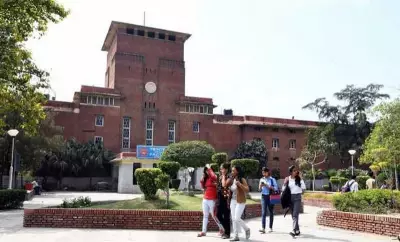
Atlas SkillTech University held its convocation ceremony for 2026, conferring degrees upon 1,918 graduates who are equipped with industry-relevant skills. The event highlighted the institution's focus on bridging the gap between academia and industry demands, producing a workforce ready for the challenges of the modern economy.
Key Highlights of the Convocation
The convocation celebrated the achievements of students across various disciplines, including technology, design, and management. The university emphasized its unique skill-based curriculum, which integrates hands-on training with theoretical knowledge. According to the university officials, the graduates have undergone rigorous training in collaboration with industry partners, ensuring they are job-ready from day one.
Dr. Indu Shahani, Chancellor of Atlas SkillTech University, addressed the gathering, stating, "Our graduates are not just degree holders; they are skilled professionals prepared to lead in a rapidly evolving world. The convocation marks the beginning of their journey as innovators and problem-solvers."

Industry Collaboration and Skill Development
The university's approach includes partnerships with leading companies to provide internships, projects, and mentorship. This model has resulted in a high placement rate, with many graduates receiving multiple job offers. The curriculum is regularly updated to reflect the latest industry trends, from artificial intelligence to sustainable design.
A total of 1,918 students received degrees, with 45% being women, reflecting the institution's commitment to gender diversity in higher education. The ceremony also recognized top performers with medals and awards for academic excellence and innovation.
Impact on the Education Landscape
Atlas SkillTech University's convocation underscores the growing importance of skill-based education in India. As the job market becomes more competitive, universities are shifting from traditional degree programs to those that emphasize practical skills. The university's model is being studied as a case for national education policy reforms.
The event concluded with a call to action for graduates to contribute to society and drive economic growth. Many graduates have already secured positions in top companies, with an average starting salary of ₹8.5 lakh per annum, as per university data.