Union Budget 2026 Unveils Major Education Infrastructure Push
The Union Budget for the fiscal year 2026-27, presented in Parliament, has introduced a transformative initiative aimed at revolutionizing India's higher education landscape. Finance Minister Nirmala Sitharaman announced a comprehensive package that focuses on expanding educational infrastructure and ensuring greater accessibility for students across the country.
Five New University Townships to be Established
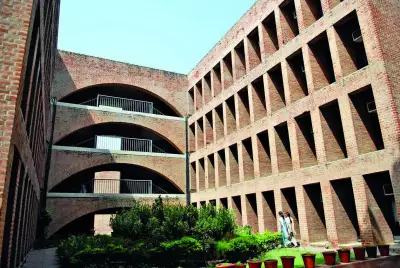
In a significant move to create world-class academic hubs, the government has proposed the development of five new university townships. These integrated campuses will be designed as self-sustaining ecosystems that combine residential facilities, academic buildings, research centers, and recreational spaces.
The university townships are expected to:

- Foster interdisciplinary research and innovation
- Attract international faculty and students
- Create employment opportunities in surrounding areas
- Serve as models for sustainable campus development
While specific locations haven't been disclosed yet, officials indicated these townships will be strategically placed in regions currently underserved by higher education institutions.
Girls Hostel in Every District: A Landmark Initiative
Addressing one of the critical barriers to female education in India, the budget mandates the construction of girls hostels in every district of the country. This ambitious program recognizes that safe and affordable accommodation remains a significant challenge for many young women pursuing higher education away from their hometowns.
The hostel initiative will feature:
- Modern security systems and surveillance
- Common study areas and computer labs
- Health and wellness facilities
- Accessibility features for differently-abled students
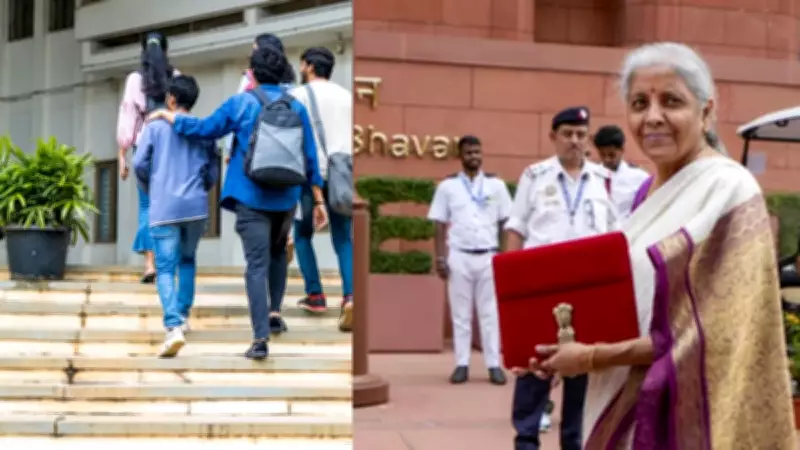
"This is not just about building structures, but about building confidence and creating equal opportunities," the Finance Minister emphasized during her budget speech.
Budget Allocation and Implementation Strategy
The education sector has received substantial funding in Budget 2026, with a significant portion earmarked for these infrastructure projects. The government plans to implement these initiatives through a public-private partnership model, encouraging private investment in educational infrastructure while maintaining regulatory oversight.
Implementation will be phased over the next three to five years, with the first university township expected to commence operations by 2028. The district hostel program will follow a more accelerated timeline, with priority given to districts currently lacking such facilities.
Expected Impact on Higher Education
Education experts have welcomed these announcements, noting they address two fundamental challenges simultaneously: creating capacity for more students and removing gender-based barriers to education access.
The university townships are projected to eventually accommodate over 50,000 students collectively, while the district hostels could benefit hundreds of thousands of female students annually. These measures align with the National Education Policy 2020's vision of increasing gross enrollment ratios in higher education to 50% by 2035.
As India continues its journey toward becoming a knowledge economy, Budget 2026's education infrastructure initiatives represent a substantial investment in the nation's human capital development. The success of these projects will depend on efficient execution, quality maintenance, and continuous monitoring to ensure they achieve their intended objectives of expanding access and improving the quality of higher education across India.