Karnataka CM Questions Universities Over Persistent Staff Shortage Claims
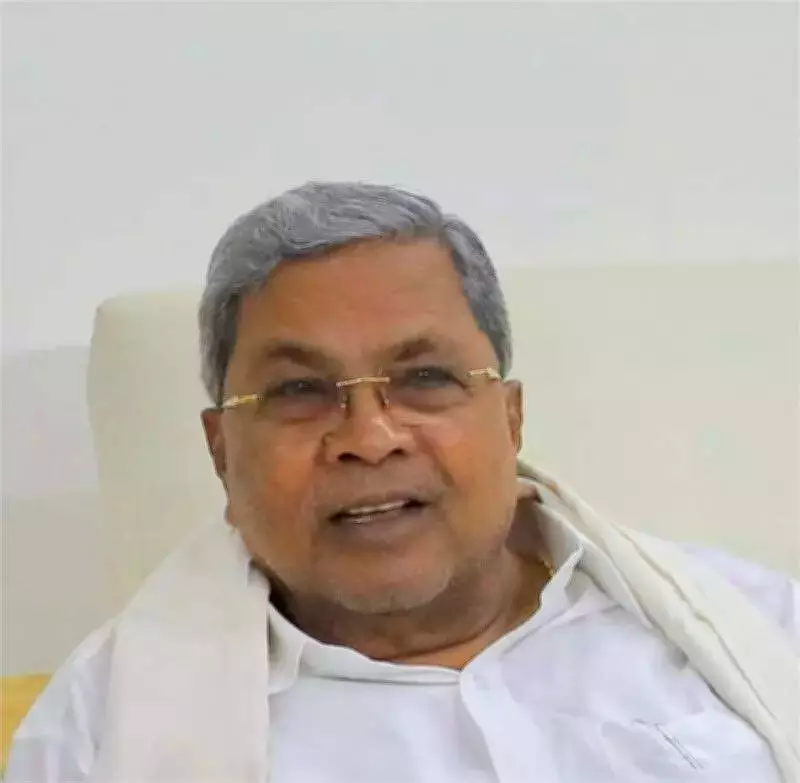
In a direct challenge to higher education institutions, Karnataka Chief Minister Siddaramaiah on Friday questioned university vice-chancellors about their repeated claims of staff shortages, asking pointedly whether guest lecturers should not be considered part of the academic workforce.
"When universities are asked to rectify issues, they often cite lack of staff. Are your guest lecturers not staff? How many permanent faculty members are there in the world's best universities?" the CM demanded during an interaction with vice-chancellors at the Karnataka State Higher Education Council in Bengaluru.
He emphasized that visiting professors enhance academic environments globally and questioned why this model couldn't be effectively implemented in Karnataka's institutions.

Acknowledging Historical Recruitment Gaps
Siddaramaiah acknowledged that irregular recruitment over the past two decades has led to severe teacher shortages across the higher education sector. The government recognizes that 60-70% of teaching positions remain vacant in major state universities.
Clarifying that the government isn't blocking recruitment, the CM pointed to last year's budget which permitted filling 2,000 posts in colleges. "This year, we will allow recruitment in universities as well," he announced, signaling a shift toward addressing the staffing crisis.
AI-Era Rationalization and Course Alignment
The chief minister stressed the urgent need for academic rationalization in the artificial intelligence era. "With AI emerging worldwide, there is a necessity to fill only the required courses. Who benefits from running courses that are not essential to society and filling them with teachers?" he questioned.
He suggested universities must fundamentally realign academic programs with contemporary societal needs rather than maintaining outdated curricula that no longer serve students or communities effectively.
Recalling Past Glory, Addressing Current Challenges
Siddaramaiah nostalgically recalled the past distinction of state universities in Mysuru, Dharwad, Bengaluru, and Kalaburagi, which once produced distinguished scholars despite limited resources. "These universities were renowned on the global map of scholarship. We studied in such systems. But why is it not possible to build excellent universities now?" he reflected.
The vice-chancellors' conclave addressed 18 critical issues including:
- Financial discipline and management
- Retirement pension complications
- Uniformity in convocation ceremonies
- Shortages of both teaching and non-teaching staff
- Effective utilization of corporate social responsibility funds
Transcending Caste Divisions, Embracing Global Standards
In a significant observation, the CM noted that universities were increasingly becoming caste enclaves. "They must transcend caste and religion, and cultivate scientific and rational thinking. However, universities are becoming caste enclaves. They must work to liberate the youth from this," he remarked, urging institutions to develop concrete plans to address this concerning trend.
He also directed universities to ensure their curricula align with global academic standards to maintain international competitiveness and relevance.
State's Higher Education Landscape and Financial Needs
Karnataka currently hosts 94 universities, including 32 public institutions, serving approximately 2.7 million students across the state. Governor Thawar Chand Gehlot emphasized the need for increased financial support in this year's budget, particularly highlighting the necessity for additional aid to music, folk, Sanskrit, and Kannada universities.
Policy Implementation and Transformation Plans
The CM confirmed that while interim recommendations from the State Education Policy committee have been implemented from the 2024–25 academic year, instructions have been issued to implement remaining recommendations immediately.
Significant transformation initiatives include:

- A Karnataka higher education transformation plan worth Rs 2,500 crore with Asian Development Bank support
- Transforming Mysuru into a ‘global education and innovation hub' and ‘national knowledge district' by 2030
- Construction of an edutech and life sciences research park on 100 acres, attracting around Rs 15,000 crore in investment and creating over 50,000 skilled jobs
- A plan to adopt approximately 100 engineering colleges in collaboration with industries
- The Karnataka State Skill Development Policy 2025–32
Warning Against Questionable Research Practices
Siddaramaiah referenced a recent incident where Galgotias University in Uttar Pradesh claimed to have prepared an AI robot dog actually made by China, which brought India's reputation down globally. "This tarnished the dignity of India's higher education institutions. In recent years, instead of fostering scientific and rational thinking in universities, we are conducting research on speculative past events," he cautioned, urging a return to substantive academic inquiry.