Nationwide Protests Intensify Against UGC Equity Regulations
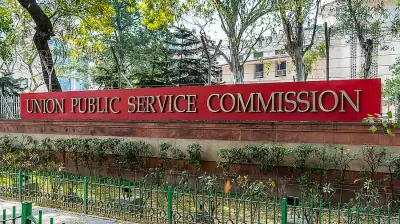
Massive protests against the University Grants Commission's (UGC) newly notified equity regulations have intensified across multiple Indian states, with students, lawyers, and political groups staging demonstrations demanding immediate withdrawal of what they term "divisive" rules. The UGC (Promotion of Equity in Higher Education Institutions) Regulations, 2026, mandate the formation of equity committees in all higher education institutions with compulsory representation from OBC, SC, and ST communities to address discrimination complaints and promote inclusion.
Uttar Pradesh Sees Widespread Agitation
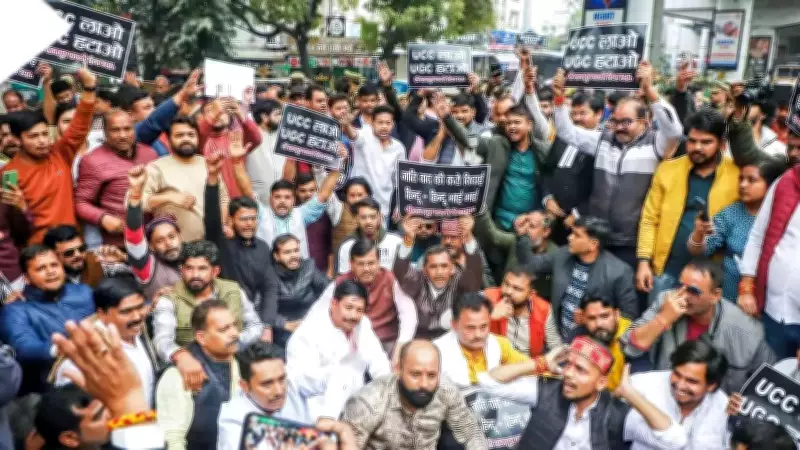
In Uttar Pradesh, protests entered their second consecutive day on Wednesday, with coordinated demonstrations reported from Lucknow, Prayagraj, Varanasi, Kanpur, Deoria, Rae Bareli, and Kaushambi. Students under the banner of Chhatra Panchayat gathered at Hazratganj in Lucknow, raising slogans such as "UGC Roll Back" and accusing the commission of introducing policies that unfairly target general category students while ignoring economic hardship within the community.
Chhatra Panchayat president Shivam Pandey termed the regulations a "black law" and alleged they were politically motivated rather than genuinely aimed at promoting equality.

Legal Community Issues Ultimatum
A significant development emerged from the legal community, with a section of Allahabad High Court lawyers staging a demonstration at Ambedkar crossing near the high court. The lawyers burned copies of the UGC regulations and issued a 48-hour ultimatum to the government, warning of a broader public movement if their demand for withdrawal isn't met.
Former joint secretary of the high court bar association Ashutosh Tiwari demanded immediate withdrawal of the regulation, stating that ignoring public protest would prove counter-productive for the government given the widespread resentment.
Student Protests Across Multiple Cities
In Prayagraj, students assembled at Allahabad University's Chhatra Sangh Bhawan, echoing concerns that the regulations would deepen divisions on campuses rather than promote genuine inclusion. Varanasi witnessed tense scenes as students from Banaras Hindu University and Mahatma Gandhi Kashi Vidyapeeth attempted to march to the district headquarters but were stopped by police, forcing them to stage a sit-in protest.
Protesters in Varanasi questioned why upper caste representation wasn't mandated if the regulations truly aimed to ensure equality, highlighting what they see as inherent bias in the new framework.
Dramatic Forms of Protest
Kanpur saw particularly dramatic forms of protest, with students of Chandra Shekhar Azad University of Agriculture and Technology wearing black bands during a foot march, while another group shaved their heads in symbolic opposition to the regulations. The political fallout became evident as BJP Kisan Morcha leader Shyam Sundar Tripathi resigned from his post in Rae Bareli in protest.
In Kaushambi, a 'Savarna Army' leader drew attention by writing a letter to the Prime Minister using blood, branding the regulations as "divisive" and demanding their immediate withdrawal.
Bihar Joins the Protest Wave
Patna witnessed tense scenes as hundreds of students staged a fierce protest at Dinkar Golambar, a major traffic intersection in the city. Organized under the banners of the All Bihar Students Union (ABSU) and Savarna Ekta Manch, the protest featured sloganeering against the central government and burning of materials on the road, briefly disrupting traffic movement.
Tamil Nadu CM Supports Reforms
In stark contrast to the protest sentiments, Tamil Nadu Chief Minister M.K. Stalin described the UGC regulations as a "delayed but welcome" reform, calling it a crucial step toward addressing deep-rooted discrimination and institutional apathy within India's higher education system.

In a social media post, CM Stalin highlighted that since the BJP came to power at the Centre, there has been a noticeable rise in student suicides in higher education institutions, particularly among Scheduled Caste and Scheduled Tribe students. He also alleged that students from South India, Kashmir, and minority communities have increasingly faced harassment and targeted attacks, making equity safeguards an "unavoidable necessity" rather than a policy choice.
Regulations Explained
The UGC's Promotion of Equity in Higher Education Institutions Regulations, 2026, introduced by the statutory body under the Union education ministry, establishes a new framework that will apply across campuses nationwide. The regulations govern how colleges and universities must prevent, identify, and respond to discrimination involving students, teachers, and staff.
Protesters claim the mandatory representation requirements for OBC, SC, and ST communities in equity committees are divisive and prone to misuse, while supporters argue they're essential for creating safer, more inclusive educational environments.
Growing Political Dimensions
The agitation has spilled beyond campuses into political arenas, with protests by upper caste groups reported from multiple districts and the resignation of a BJP functionary in Rae Bareli. The contrasting positions between protesting states and Tamil Nadu's supportive stance highlight the complex political dimensions surrounding the equity regulations.
As the 48-hour ultimatum from Allahabad High Court lawyers approaches its deadline, all eyes remain on whether the government will reconsider the regulations or face escalating protests across more states.