Nevada Public Colleges to Implement Tuition Hikes Over Three Years
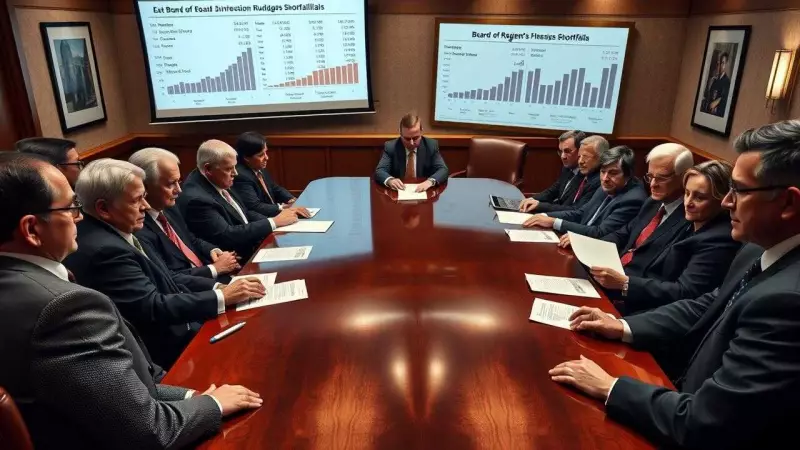
Public colleges and universities in Nevada are set to raise tuition fees over the next three years following a decision by the state's Board of Regents. The move, approved by an 8–5 vote on Friday, aims to prevent faculty layoffs and academic program cuts across the Nevada System of Higher Education (NSHE), which oversees all eight public higher education institutions in the state.
Addressing a Significant Budget Shortfall
Higher education officials described the tuition increase as a difficult but necessary step to tackle a systemwide annual budget deficit of $46.5 million. According to reports from The Nevada Independent, NSHE leaders emphasized that the hike is designed to stabilize campus budgets and avoid eliminating faculty positions, staff roles, and course offerings.
System Chancellor Matt McNair stated that the proposal seeks to balance affordability with long-term financial stability. "We don't make this recommendation lightly," McNair said, noting that Nevada would continue to rank among the lowest states nationally for net tuition after financial aid is considered.

Data presented to the board reveals that Nevada currently holds the second-lowest position in the country for net tuition at four-year public universities. Even with the approved increases, the state is projected to remain within the top five most affordable states.
Detailed Breakdown of Tuition Increases
Under the approved plan, tuition will rise by 12% for full-time students at four-year universities and upper-division community college courses. For full-time students enrolled in lower-division community college courses, the increase will be 9%.
- At the University of Nevada, Reno (UNR) and the University of Nevada, Las Vegas (UNLV), in-state undergraduates will pay approximately $1,200 more per year.
- Out-of-state students at these institutions will see an annual increase of about $3,800.
These new hikes come in addition to a previously approved 12.6% tuition increase, which is being phased in over three years to keep pace with inflation.
Opposition and Student Concerns
Several regents voted against the proposal, with Regent Jeffrey Downs arguing during the meeting that cutting academic programs makes little financial sense, as classes generate revenue for institutions.
Students who spoke during public comment also expressed strong opposition to the hike. Nevada State University student Stephanie Flores voiced concerns that the decision could make higher education feel out of reach for many families.
Andrew Cirincione, president of the UNR College Democrats, highlighted the financial strain on students, noting that many already work part-time jobs while carrying full course loads to afford tuition.
Ongoing Budget Pressures and Calls for Transparency
Despite the tuition increase, long-term funding challenges persist. According to The Nevada Independent, rising inflation, expiring state support for faculty cost-of-living adjustments, and pauses on some federal grants continue to pressure campus budgets.
Faculty union leaders have called for greater transparency in how funds are allocated, asserting that budget gaps are often unfairly linked to faculty compensation. Regent Carol Del Carlo, who voted in favor of the hike, suggested that the system should consider bringing in an external consultant to review long-term budgeting practices.
The tuition increases reflect broader struggles in public higher education funding, balancing the need for financial stability with maintaining accessibility for students across Nevada.