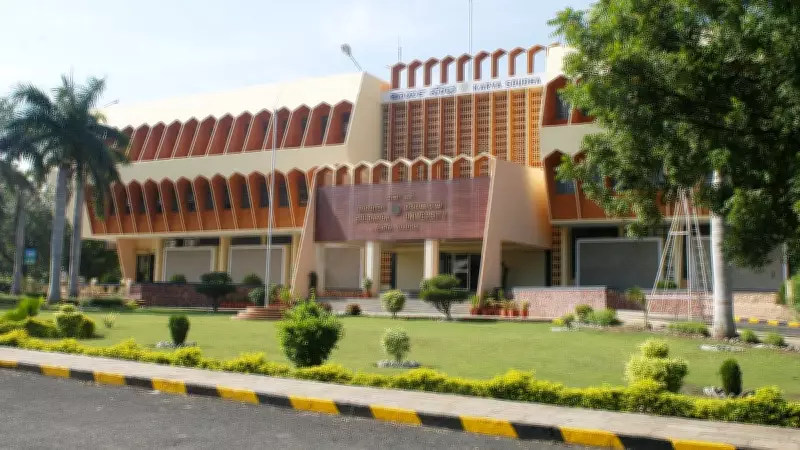
The bifurcation of state universities in Karnataka has resulted in severe financial constraints, compromising the quality of higher education across the state. The division, intended to improve administrative efficiency and access, has instead left many institutions cash-strapped, struggling to maintain infrastructure, retain faculty, and support research activities.
Financial Strain on Universities
Following the split, several universities have reported significant budget shortfalls. The allocation of resources, including funds and assets, has been uneven, with parent institutions often retaining a larger share. This has forced newly formed universities to operate with minimal budgets, affecting their ability to function effectively. For instance, the University of Mysore's bifurcation led to the creation of new universities in Hassan and Mandya, but these institutions are grappling with inadequate funding for basic amenities like libraries, laboratories, and student facilities.
Impact on Faculty and Staff
The financial crunch has also led to a freeze on faculty recruitment and a rise in contractual appointments. Many universities are unable to offer competitive salaries, leading to a brain drain of experienced professors to private institutions or other states. This has directly impacted the student-teacher ratio and the quality of instruction. Additionally, staff salaries are often delayed, causing low morale and affecting administrative efficiency.

Research and Infrastructure Decline
Research output has suffered as universities struggle to fund projects and maintain equipment. Collaborative research with industries and international partners has declined due to lack of funds for travel and joint initiatives. Infrastructure such as classrooms, hostels, and sports facilities is deteriorating, with little to no maintenance. Students are increasingly dissatisfied with the learning environment, leading to a drop in enrollment in some programs.
Government Response and Way Forward
The Karnataka government has acknowledged the crisis and announced a special grant of INR 100 crore for the affected universities. However, experts argue that this is a temporary fix and that a long-term solution requires revisiting the funding formula. Recommendations include increasing the state's higher education budget, allowing universities to generate revenue through consultancy and industry partnerships, and implementing performance-based funding to incentivize efficiency. Without systemic reforms, the quality of higher education in Karnataka may continue to decline, affecting the state's reputation as an educational hub.