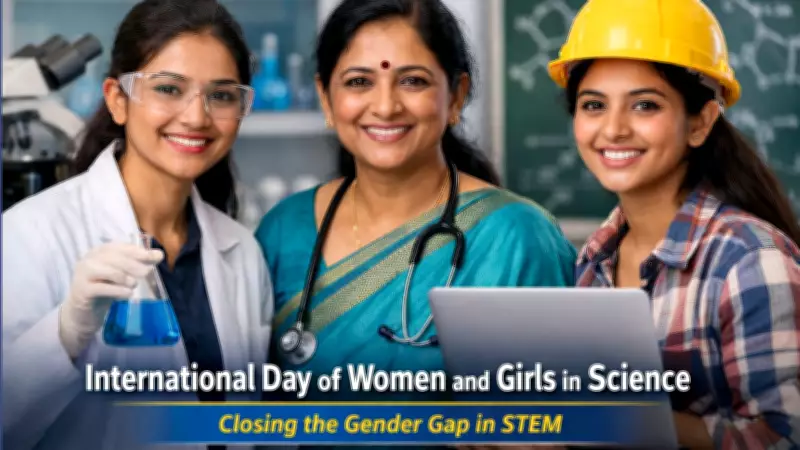
International Day of Women and Girls in Science 2026: A Global Push for Gender Equality in STEM
The International Day of Women and Girls in Science is observed annually on February 11, a date established by the United Nations to address the persistent underrepresentation of women in science, technology, engineering, and mathematics (STEM) fields. Instituted by the UN General Assembly in December 2015, this day first took effect in 2016, marking a formal commitment by nations worldwide to recognize the critical role women and girls play in scientific advancement and to tackle the structural barriers that hinder their participation.
Why February 11? The Historical Context and Global Significance
February 11 was chosen as the International Day of Women and Girls in Science to catalyze global action against the gender disparities in STEM. The decision followed growing international concern over data showing women's limited involvement in these crucial sectors. Under the leadership of the United Nations, with UNESCO at the forefront of advocacy and implementation, this day serves as a platform to celebrate achievements while highlighting the urgent need for change. It underscores the importance of diverse perspectives in driving innovation and solving complex global challenges.
Theme for 2026: "From Vision to Impact: Redefining STEM by Closing the Gender Gap"
The theme for the International Day of Women and Girls in Science in 2026 is "From Vision to Impact: Redefining STEM by Closing the Gender Gap." This theme builds on UNESCO's 2024 Call to Action, "Closing the Gender Gap in Science," and the 2025 campaign "Imagine a world with more women in science #EveryVoiceInScience." According to UNESCO, the 2026 focus signals a strategic shift from dialogue to implementation, emphasizing practical steps to foster inclusivity.

Key elements of the 2026 theme include:
- Highlighting existing good practices that have successfully promoted gender equality in STEM.
- Showcasing scalable solutions that can be adapted across different countries and contexts.
- Advocating for policy interventions that create more inclusive STEM ecosystems, from education to employment.
UNESCO's Call to Action and the Persistent Gender Gap
UNESCO's Call to Action to Close the Gender Gap in Science, launched in February 2024, stresses the need for sustained and collective commitment to address these disparities. The initiative calls for:
- Dismantling entrenched gender stereotypes and biases in science that often discourage girls from pursuing STEM careers.
- Expanding educational pathways for girls, ensuring they have equal access to quality STEM learning opportunities from an early age.
- Creating workplace environments that attract, retain, and advance women scientists, particularly in the private sector where representation remains low.
Despite progress in access to education, UNESCO data reveals that gender disparities are deeply embedded across the STEM pipeline. For instance, while young women are more likely than young men to enrol in higher education globally—with 46% of women entering advanced studies compared to 40% of men within five years of completing secondary education—women account for only 35% of science graduates. The gap widens further in research careers, where women represent just one in three scientific researchers worldwide.
Another persistent imbalance is seen across sectors: women are moving towards more equitable representation in academia and the public sector, while men continue to dominate scientific roles in the private sector in most countries. This highlights the multifaceted nature of the challenge, requiring targeted efforts in education, industry, and policy.
The Urgency of Closing the Gender Gap: Data and Implications
The gender gap in STEM not only limits individual opportunities but also hampers global scientific progress. By excluding women and girls, the world misses out on diverse insights and innovations that could address pressing issues like climate change, healthcare, and technology development. February 11 serves as both a celebration of the achievements of women in science and a stark reminder of the work still needed to ensure that science benefits from all perspectives.

In summary, the International Day of Women and Girls in Science 2026, with its theme "From Vision to Impact," underscores a critical juncture in the global effort to achieve gender equality in STEM. Through UNESCO's Call to Action and ongoing initiatives, there is a renewed focus on transforming vision into tangible outcomes, making science more inclusive and impactful for future generations.