14 JNU Students Arrested in Delhi After Protest Over Vice-Chancellor's Podcast Comments
In a significant development at Jawaharlal Nehru University (JNU), Delhi Police have arrested 14 students following a protest against Vice-Chancellor Santishree Dhulipudi Pandit. The demonstration was sparked by remarks she made in a recent podcast, which students allege were inflammatory and targeted certain communities on campus.
Details of the Protest and Arrests
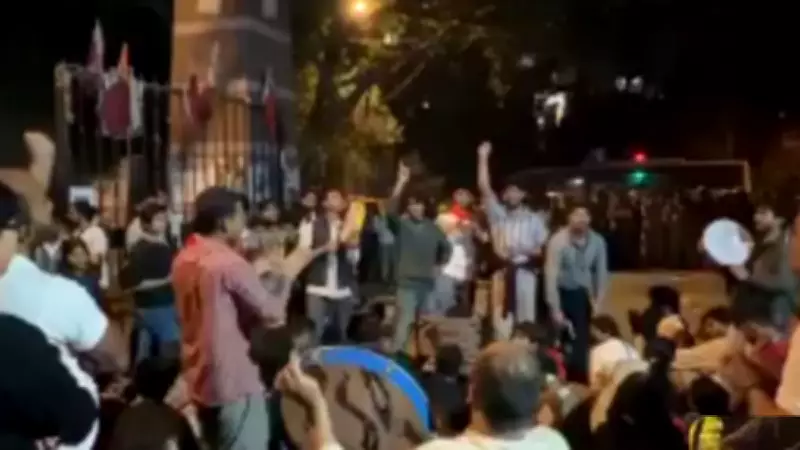
The protest took place on the university grounds, where students gathered to voice their dissent against the Vice-Chancellor's comments. According to police reports, the demonstration turned disruptive, leading to the arrests under charges of unlawful assembly and violating prohibitory orders. The students were taken into custody and later released on bail, but the incident has ignited a broader conversation about freedom of expression and administrative accountability in educational institutions.
Vice-Chancellor Santishree Dhulipudi Pandit's podcast remarks have been at the center of the controversy. In the podcast, she discussed various campus issues, but students claim her statements were divisive and misrepresented the student body. This has led to accusations of fostering a hostile environment, prompting the organized protest.

Reactions and Implications
The arrests have drawn mixed reactions from different quarters. Student groups and activists have condemned the police action, arguing that it stifles legitimate dissent and violates the right to peaceful protest. They emphasize that universities should be spaces for open dialogue and critical engagement, not suppression of opposing views.
On the other hand, university authorities and some supporters have defended the Vice-Chancellor, stating that her comments were taken out of context and that the protest crossed legal boundaries. They point to the need for maintaining order on campus and ensuring that demonstrations do not disrupt academic activities or public safety.
This incident highlights ongoing tensions at JNU, a university known for its vibrant political activism and frequent clashes between student bodies and administration. It raises questions about how institutions balance free speech with disciplinary measures, especially in an era where digital media amplifies such controversies.
Broader Context and Future Outlook
The arrest of the 14 students is not an isolated event but part of a larger pattern of student protests in India, particularly at premier universities like JNU. Similar incidents have occurred in the past, often revolving around issues of governance, discrimination, and freedom of expression. This case adds to the discourse on how educational policies and law enforcement interact with student activism.
Looking ahead, the fallout from this protest could influence campus policies and police protocols regarding student demonstrations. It may also prompt a reevaluation of how university leaders communicate publicly, especially in formats like podcasts that reach wide audiences. As the situation develops, stakeholders are calling for dialogue to address underlying grievances and prevent further escalation.
In summary, the arrest of 14 JNU students underscores the delicate balance between upholding law and order and protecting democratic rights in academic settings. The controversy over the Vice-Chancellor's podcast remarks serves as a catalyst for broader discussions on campus culture and administrative transparency in India's higher education landscape.