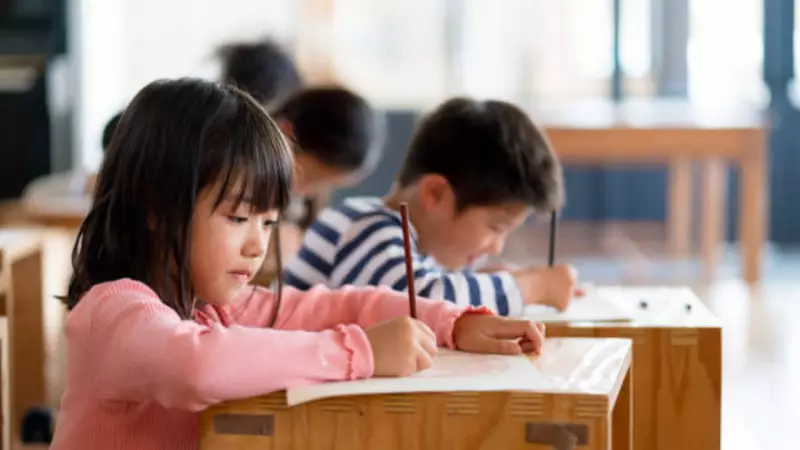
When we think of Japanese schools, images of disciplined students in neat uniforms often come to mind. However, the true distinction of Japan's education lies not merely in academic rigour but in its profound focus on building character, instilling core values, and nurturing community-minded citizens. The everyday routines followed by students across the nation offer powerful, universal lessons that extend far beyond the classroom.
Beyond Books: Cultivating Responsibility and Respect
In Japan, the school day incorporates fundamental practices designed to teach life skills. One of the most notable is O-soji, the daily cleaning time. For 15 to 20 minutes each day, students themselves clean their classrooms, hallways, and even toilets, as most schools do not employ janitors. This is not a punitive measure but a respected cultural tradition. It instills a sense of collective responsibility, teaching children that maintaining shared spaces is everyone's duty. Educators note that this practice significantly reduces incidents of vandalism and bullying while fostering teamwork and respect for all roles in society.
Respect is another cornerstone, woven seamlessly into daily life rather than taught through lectures. Students bow, offer formal greetings to teachers, and thank their peers after lessons. Classrooms are typically quiet and attentive, a reflection of culturally ingrained manners developed from childhood. This environment of mutual respect creates harmony and enhances the learning experience for everyone involved.

Fostering Independence and Community Spirit
From a very young age, Japanese children are trusted with significant independence. It is common to see groups of primary school children walking to school without parental supervision, often wearing bright yellow hats for safety. This early trust builds self-reliance, decision-making skills, and problem-solving abilities, countering the trend of overprotective "helicopter parenting" and proving that responsibility fosters resilience.
The community spirit is further cemented during lunchtime, known as Kyushoku. Instead of a cafeteria line, students take turns serving meals to their classmates while wearing hygienic aprons and caps. Everyone, including the teacher, eats the same nutritious, government-guided meal together at their desks. This ritual eliminates food hierarchy, discourages junk food, and teaches equality, gratitude (expressed with the phrase "Itadakimasu"), and appreciation for the effort behind their food.
Building Life Skills Through Effort and Engagement
Participation in club activities (Bukatsu) is a vital part of student life, often mandatory or strongly encouraged. Whether it's a sports team, calligraphy club, or science group, these activities are intensive training grounds for punctuality, discipline, leadership, and conflict resolution. They provide a crucial sense of belonging and purpose, which helps combat stress and loneliness—issues prevalent among youth globally.
Perhaps the most defining philosophy in Japanese education is encapsulated in the word "Ganbatte!"—meaning "Do your best!". The system prioritizes consistent effort and personal growth over sheer competition and topping rankings. While exams are important, the emphasis is on perseverance and a growth mindset. Students learn that falling behind is not a cause for shame, but giving up is. This approach builds emotional resilience and reduces toxic academic pressure.
In summary, Japan demonstrates that true education shapes the whole individual. By integrating habits that teach responsibility, self-reliance, respect, and community values from an early age, the system cultivates confident, compassionate, and capable adults. As educational systems worldwide grapple with issues of discipline, student stress, and diminishing attention spans, these seven habits from Japanese students offer a compelling blueprint for holistic development.