Bhopal Families Implement Strict Digital Rules Following Gaming-Related Tragedies
In the wake of several disturbing incidents linked to excessive online gaming, parents across Bhopal are taking decisive action to protect their children from digital dependency. Households are now implementing comprehensive screen time regulations, creating technology-free zones, and banning devices during critical family moments.
From Casual Gaming to Concerning Dependency
Sarthak, a Class 7 student, represents a familiar story that has taken a serious turn. What began as occasional online gaming during free time gradually expanded into hours of continuous play, with virtual battles and rewards dominating his daily routine. "Homework was consistently delayed or left incomplete, and his attention during conversations drifted toward planning his next gaming session," revealed his father, speaking anonymously. His mother added, "Instead of participating in family meals or discussing school, he remained absorbed in screens, offering only brief responses while game sounds filled our home."
The Trigger: Alarming Incidents Across Cities
The urgency for intervention intensified following multiple tragedies. In Ghaziabad, three sisters tragically died after allegedly jumping from a ninth-floor building, with reports suggesting their inability to disengage from Korean online content and gaming played a role. Closer to home in Bhopal, a 14-year-old boy was found dead in his Piplani residence just four days ago. While police recovered no suicide note, investigations revealed the boy had been playing an "online suicide game" that specifically targets vulnerable teenagers through assigned tasks.

Structured Household Interventions
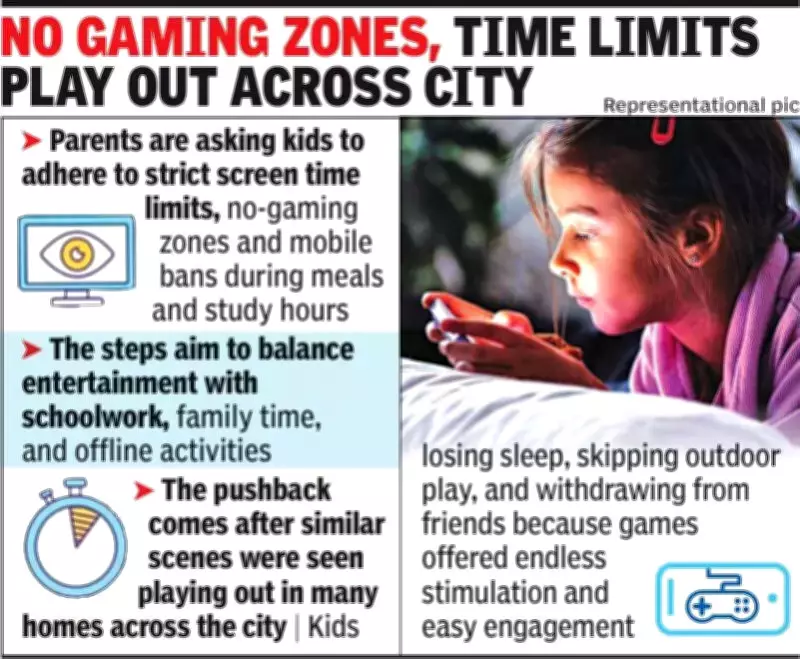
Recognizing the shift from casual entertainment to potential dependency, Sarthak's parents established clear, enforceable boundaries. They limited gaming to one hour daily, with academic responsibilities taking absolute priority. They designated bedrooms and living rooms as no-gaming zones to prevent isolation and restore family interaction spaces. "We realized waiting longer would only make reversal more difficult," they explained.
Similar measures were adopted for Class 8 student Abhay, whose family banned phones during meals and study hours. His mother emphasized, "The objective isn't punishment but structure—rebuilding routines and reconnecting with real-life priorities."
Broader Patterns of Concern
These household interventions respond to widespread patterns observed across Bhopal: children losing sleep, abandoning outdoor activities, and withdrawing from friendships as games provide endless stimulation and instant gratification. Parents express growing anxiety about diminishing attention spans and reduced patience for activities lacking immediate excitement.
Expert Perspectives on Digital Boundaries
Child development specialists and digital wellness experts emphasize that consistent, firm boundaries can transform unhealthy obsessions into manageable leisure activities. They advocate for balanced approaches that allow entertainment while safeguarding academic performance, family relationships, and offline engagements.
The collective parental response in Bhopal represents a proactive movement toward digital wellness, aiming to prevent further tragedies while fostering healthier relationships with technology among the city's youth.