CBSE Class 10 Artificial Intelligence Paper 2026: A Comprehensive Analysis
The Central Board of Secondary Education (CBSE) conducted the Class 10 Artificial Intelligence (AI) examination for the academic year 2025-26 on February 27, 2026. This exam, part of the board's initiative to integrate emerging technologies into the curriculum, has garnered significant attention from students, educators, and parents alike. Following the test, initial reactions and a detailed analysis have emerged, shedding light on the paper's structure, difficulty level, and overall impact on learners.
Student Reactions: Mixed Responses to the AI Paper
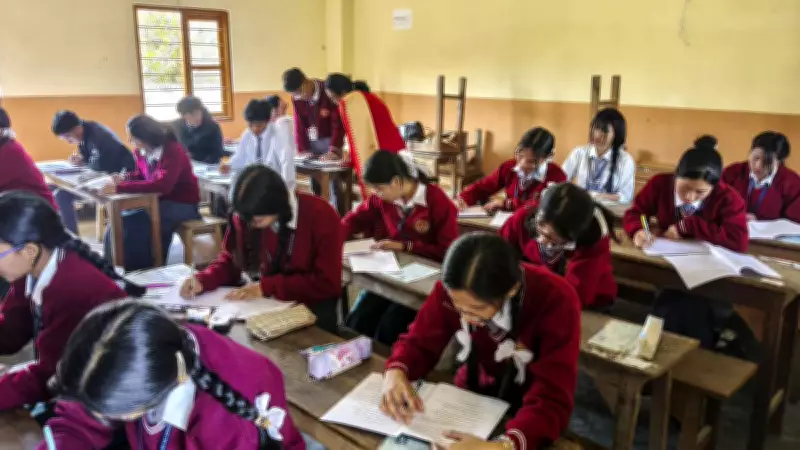
Students who appeared for the CBSE Class 10 AI paper reported a varied experience. Many found the paper to be moderately challenging, with a good balance between theoretical concepts and practical applications. Some students praised the inclusion of real-world scenarios, which tested their understanding of AI ethics and implementation. However, others expressed concerns over time management, citing lengthy descriptive questions that required in-depth explanations.
"The paper was fair but demanded thorough preparation," shared a student from Delhi. "Questions on machine learning algorithms were tricky, but the case studies on AI in daily life were engaging." Overall, the student feedback indicates that while the paper was not overly difficult, it necessitated a strong grasp of both foundational AI principles and their contemporary relevance.

Teacher Insights: Evaluating the Paper's Design and Content
Teachers and subject experts have analyzed the CBSE Class 10 AI paper, highlighting its alignment with the prescribed syllabus and educational objectives. Educators noted that the paper effectively assessed critical thinking and problem-solving skills, moving beyond rote memorization. The inclusion of application-based questions, such as designing AI solutions for social issues, was particularly commended for fostering innovation among students.
"This paper reflects CBSE's commitment to preparing students for a tech-driven future," remarked an AI teacher from Mumbai. "The emphasis on ethical considerations in AI development is a positive step towards responsible technology education." Teachers also pointed out that the paper's difficulty was consistent with previous years, ensuring a standardized evaluation process across the board.
Detailed Paper Analysis: Key Sections and Question Types
The CBSE Class 10 AI paper for 2026 was structured into multiple sections, each designed to test different competencies. Below is a breakdown of the major components:
- Theoretical Section: This part included questions on AI fundamentals, such as definitions, history, and key concepts like neural networks and natural language processing. Students found this section manageable with adequate revision.
- Practical Application Section: Featuring case studies and scenario-based questions, this segment required students to apply AI knowledge to real-life problems, such as healthcare or environmental monitoring.
- Ethical and Social Implications: Questions here focused on the ethical dilemmas and societal impacts of AI, encouraging students to think critically about technology's role in modern society.
- Problem-Solving Tasks: These involved analytical exercises, such as interpreting data sets or proposing AI-driven solutions, testing logical reasoning and creativity.
Overall, the paper was reported to be comprehensive, covering a wide range of topics from the CBSE AI syllabus. The balance between theory and practice was seen as a strength, though some students suggested that more time could have been allotted for the descriptive parts.
Impact on Future AI Education and Learning Trends
The CBSE Class 10 AI exam for 2026 is part of a broader trend towards incorporating technology subjects into school curricula. This move aims to equip students with essential skills for the digital age, preparing them for higher education and careers in fields like data science, robotics, and software development. The positive reception from both students and teachers indicates a growing acceptance and enthusiasm for AI education in India.

Looking ahead, experts predict that such exams will continue to evolve, incorporating more hands-on projects and interdisciplinary approaches. "As AI becomes integral to various industries, education systems must adapt to provide relevant and practical learning experiences," said an educational analyst. The CBSE's efforts in this direction are seen as a step forward in bridging the gap between academic knowledge and industry requirements.
Conclusion: A Step Towards Tech-Enabled Learning
In summary, the CBSE Class 10 Artificial Intelligence paper for 2026 has been met with generally favorable reviews from students and teachers. While challenges like time constraints were noted, the paper's design successfully promoted a deeper understanding of AI concepts and their real-world applications. As CBSE continues to refine its AI curriculum, such exams are expected to play a crucial role in shaping the next generation of tech-savvy learners, contributing to India's growth in the global technology landscape.