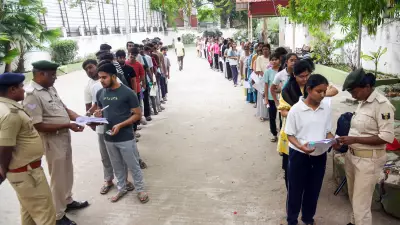
Following a modest outcome in the first SSLC preparatory examination, where the pass percentage reached only 50%, education department authorities in Dakshina Kannada have launched a comprehensive drive to dramatically enhance student performance. With the second preparatory test currently in progress and aiming for an ambitious 80% pass rate, multiple strategic measures are being implemented across the district.
Exam Schedule and Student Participation
The initial preparatory examination was conducted from January 5 to January 10, providing the first major assessment for students. The ongoing second preparatory examination is scheduled to conclude on Monday, serving as a critical mid-point evaluation. A third preparatory test is planned for February 23, offering final practice before the main SSLC examination. This year, a total of 28,528 fresh candidates are registered to appear for the SSLC exams across Dakshina Kannada district.
Analysis of First Exam Performance
A senior nodal officer for the SSLC examination in the district explained the factors behind the 50% pass rate in the first test. "Students lacked sufficient time for revision," the officer noted. "Schools completed their syllabus by December end, and exams began shortly after, leaving minimal opportunity for review. However, following the first exam, students have received ample revision time, and we have initiated several corrective actions."

The officer further detailed subject-wise performance, revealing that many students scored above 70% in most subjects, with mathematics being an exception at approximately 68%. Geographically, Bantwal taluk recorded the lowest pass percentage, prompting focused attention from education officials.
Targeted Interventions and Support Programs
In response to the initial results, education authorities have undertaken multiple initiatives:
- Post-result review meetings with institutions like Morarji Desai Residential School and Maulana Azad Schools to develop improvement strategies.
- Identification of approximately 2,900 candidates who scored below 20 marks, enabling personalized academic support.
- Development of the 'Geluvina Hejje' workbook by DK teachers, specifically designed for slow learners to practice essential questions and achieve the minimum passing mark of 33.
- Distribution of a detailed blueprint of the question paper to clarify exam patterns and expectations.
- Sharing of three model question papers along with answer scripts from students who achieved centum marks in the 2025 SSLC examination, serving as benchmarks for current candidates.
These coordinated efforts reflect a determined push by Dakshina Kannada's education department to transform academic outcomes, ensuring students are thoroughly prepared for the upcoming SSLC examinations through structured guidance, resource provision, and continuous performance monitoring.