In a significant move to safeguard students from hazardous air, the Delhi government has announced a large-scale plan to equip classrooms with air purification systems. Education Minister Ashish Sood revealed that air purifiers will be installed in 10,000 classrooms across the national capital.
A Proactive Step for Student Health
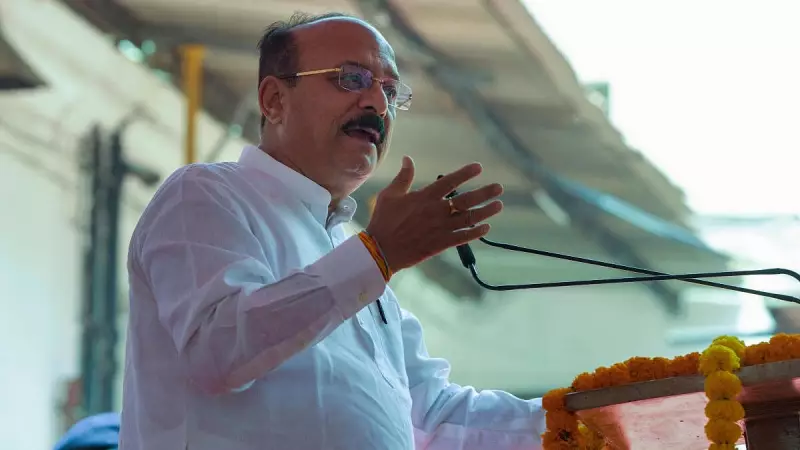
Addressing the media at a press conference on 19 December 2025, Minister Ashish Sood emphasized the administration's commitment to tackling Delhi's persistent pollution crisis. He stated that the government is focused on implementing long-term administrative measures to address this public health challenge. The installation of purifiers in educational institutions marks a direct intervention to protect young learners, who are among the most vulnerable to the effects of poor air quality.
Details of the Installation Plan
While the minister confirmed the ambitious target of 10,000 classrooms, the initiative represents one of the largest of its kind in the country aimed at the education sector. The plan underscores a shift towards creating controlled, cleaner air environments for children to study and breathe in. This decision comes after years of concerns from parents, doctors, and educators about the impact of toxic air on children's health, concentration, and school attendance during severe pollution episodes in winter.

Long-Term Strategy Against Pollution
Sood's announcement frames the air purifier project as part of a broader, sustained governmental effort. Rather than a one-time reaction, it is positioned as a key component of a structured policy to mitigate pollution's impact through infrastructure and administrative action. The focus on schools highlights the priority given to children's welfare and the recognition that clean air is a fundamental requirement for an effective learning environment.
The success of this large-scale installation will be closely watched, potentially setting a precedent for other pollution-affected cities in India and around the world. It signals a growing acknowledgment that while broader environmental measures continue, immediate protective steps for sensitive groups are essential.