Deccan Herald Cartoon Sparks Debate on Student Failure Rates
A recent cartoon published by Deccan Herald has brought to light a concerning statistic in the Indian education system, revealing that over 90% of students have failed in two subjects. This visual commentary has ignited widespread discussions among educators, policymakers, and the public, raising critical questions about the quality of education and the effectiveness of current assessment methods.
Details of the Cartoon and Its Impact
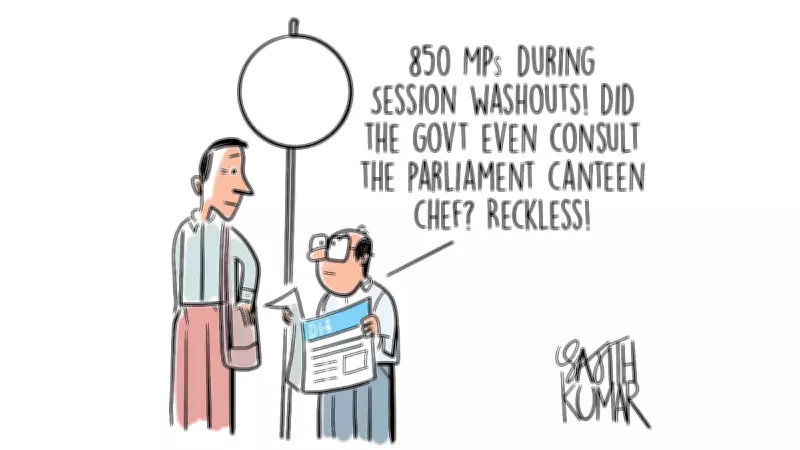
The cartoon, titled "DH Toon: 90/100 Failed 2," uses satire to depict the alarming failure rates, with imagery that underscores the gravity of the situation. It portrays a classroom scene where a vast majority of students are shown struggling, symbolizing the high percentage of failures. This artistic representation has resonated deeply, as it taps into ongoing concerns about educational outcomes in India, where exam pressures and curriculum challenges often dominate headlines.
The statistic highlighted in the cartoon suggests a systemic issue, potentially pointing to flaws in teaching methodologies, curriculum design, or evaluation standards. Experts argue that such high failure rates could indicate a mismatch between what is taught and what is assessed, leading to poor performance among students. This has prompted calls for a thorough review of educational practices to ensure that learning outcomes align with real-world skills and knowledge requirements.

Broader Implications for Education Policy
This cartoon has spurred debates on several fronts, including the role of standardized testing and the need for more holistic assessment approaches. Critics of the current system emphasize that over-reliance on exams may not accurately measure student capabilities, contributing to stress and underperformance. In response, some educators advocate for reforms such as continuous evaluation, project-based learning, and skill development programs to better support student success.
Furthermore, the discussion extends to equity in education, as high failure rates often disproportionately affect students from marginalized backgrounds. This raises questions about access to quality resources, teacher training, and support systems. Policymakers are urged to consider these factors when designing interventions to improve educational outcomes and reduce failure rates across the board.
Public Reaction and Future Directions
The public reaction to the Deccan Herald cartoon has been mixed, with many expressing concern over the state of education in India. Social media platforms and opinion pieces have amplified the conversation, with stakeholders calling for actionable solutions. Some suggest that this cartoon could serve as a catalyst for change, prompting educational institutions and government bodies to prioritize reforms that address the root causes of student failure.
In conclusion, the "DH Toon: 90/100 Failed 2" cartoon has effectively highlighted a critical issue in Indian education, sparking necessary debates on assessment and quality. As the discussion continues, it remains to be seen how this will influence policy decisions and educational practices in the future, with the hope of fostering a more supportive and effective learning environment for all students.